Chemistry
- Animals
Cool Jobs: Diving for new medicines
Scientists mix research with underwater adventure as they search the oceans for new chemicals to treat infections, cancer and more.
- Animals
Nature shows how dragons might breathe fire
Fire-breathing dragons can’t live anywhere outside of a book or TV. But nature provides some guidance as to how they might get their flames. If they existed, anyway.
- Chemistry
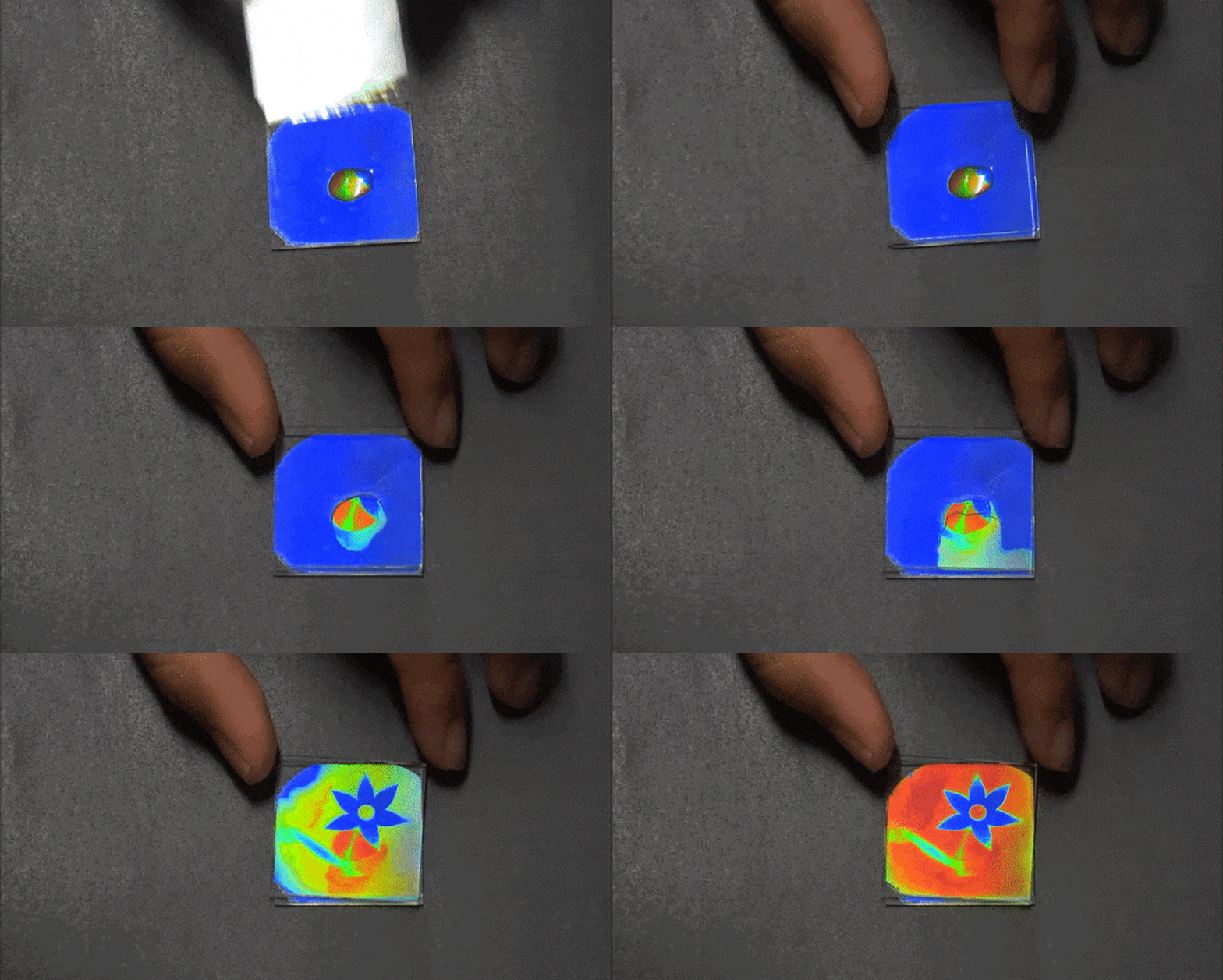
Moisture unmasks camouflaged message
Researchers have developed a new type of chemical that will mask some hidden message — until you add water.
- Chemistry
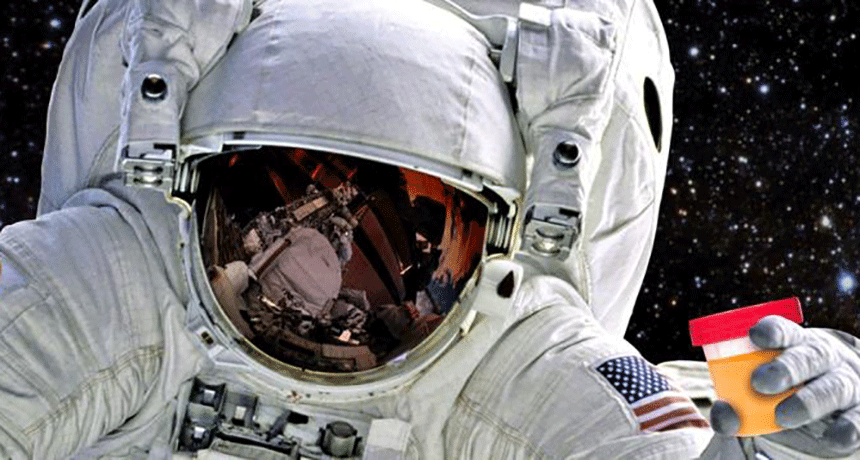
Human waste could power plastic-making in space
Someday recycled urine and exhaled breath could feed specially engineered yeast to make plastics and other useful chemicals on long space missions.
- Chemistry
Olympic ski racers use chemistry to enhance their performance
The chemistry of ski wax plays an important role in whether a skier wins or loses. They need a wax that helps them slip speedily downhill yet grip well uphill.
- Chemistry
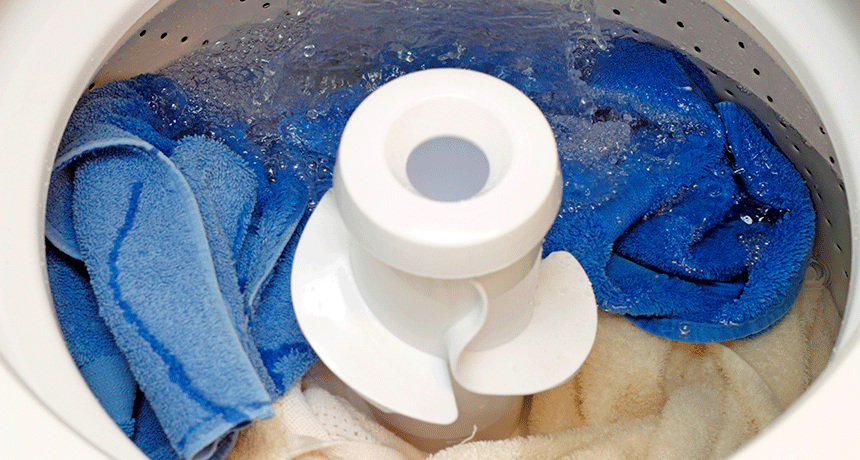
Chemists look to mine silver from laundry wastewater
Recovering silver from wastewater could prevent the metal from ending up in lakes, rivers and the ocean, where it could poison wildlife.
- Chemistry
Increasingly, chocolate-makers turn to science
Chocolate is delicious and may even have health benefits. To make sure there’s enough to go around, scientists are growing heartier cacao trees.
- Chemistry
Janet’s chocolate mousse pie
The top two ingredients — dark chocolate and tofu — both have a reputation for being healthy. The good news for those who don’t like tofu: You can’t taste it in this pie. It just tastes like a very rich, thick chocolate mousse.
- Chemistry
Scientists Say: Salt
Salts in chemistry are compounds made when a positively charged acid is combined with a negatively charged base. Table salt is one example.
- Chemistry
Changing toothpastes? Change your toothbrush
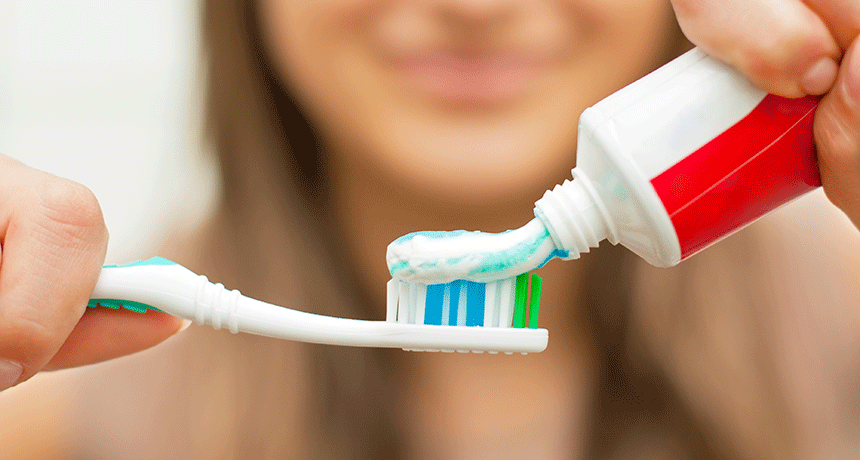
Scientists have found that toothbrush bristles absorb triclosan, then release the potentially toxic chemical when users switch toothpastes.
- Chemistry
Scientists Say: Amino Acid
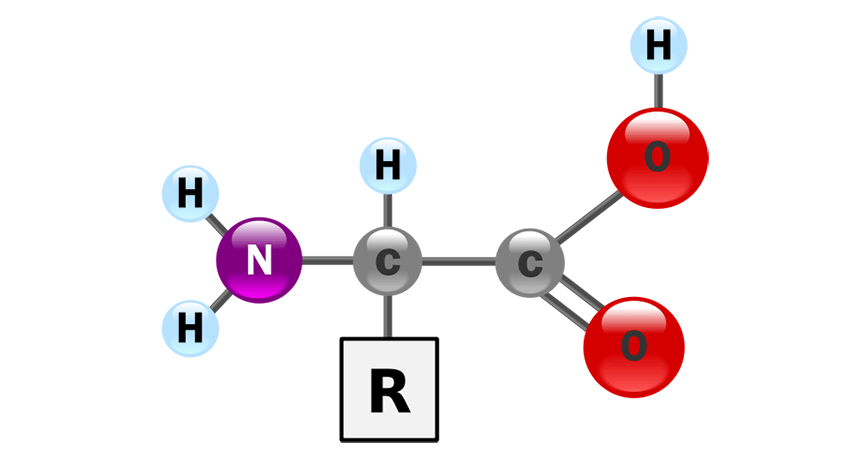
Amino acids are small molecules that make up proteins and serve as messengers in our cells.
- Chemistry
Touching receipts can lead to lengthy pollutant exposures
The chemical BPA, which coats some cash-register receipts, may linger in the body for far longer than if someone had ingested it.