Chemistry
- Chemistry
Explainer: How is water cleaned up for drinking
Unless you’re drinking well water, city folks typically get drinking water that has been treated in a water-treatment plant. Here’s what that means.
- Chemistry
Super-water-repellent surfaces can generate energy
Scientists knew they could get power by running salt water over an electrically charged surface. But making that surface super-water-repellent boosts that energy production, new data show.
- Chemistry
Don’t flush your contact lenses
One in five people who wear contact lenses flush their used eyewear down the sink or toilet. That plastic pollutes the environment and can harm wildlife.
- Chemistry
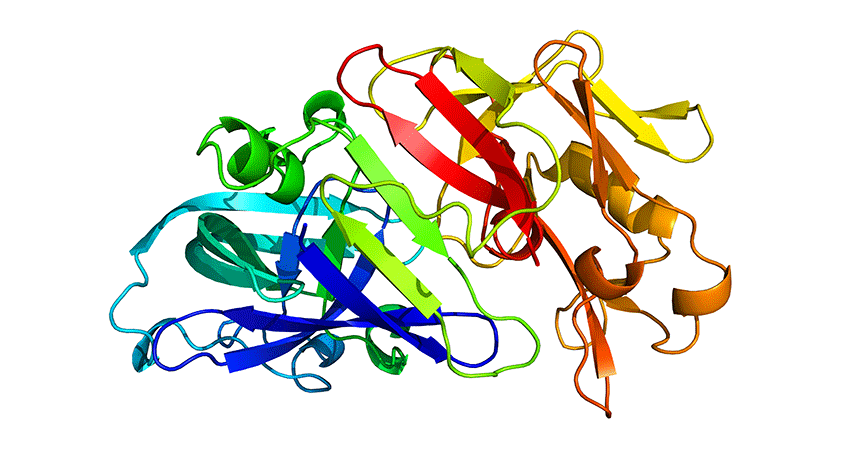
Three take home chemistry Nobel for harnessing protein ‘evolution’
New ways to create customized proteins for use in biofuels and medicines earned three researchers the 2018 Nobel Prize in chemistry.
- Chemistry
Scientists Say: Kelvin
Kelvin is a temperature scale. It’s based around the concept of “absolute zero,” a temperature so cold that molecules stop moving.
- Chemistry
Scientists find an easier way to trap carbon dioxide in rock
Scientists have found a much faster and easier way to trap CO2 in minerals. If they can scale it up, it might one day help to slow climate change.
- Earth
Explainer: CO2 and other greenhouse gases
Carbon dioxide is just one of several chemicals that contribute to the greenhouse effect. Nitrous oxide, methane and CFCs are other big contributors.
- Chemistry
Scientists Say: Peptide
Peptides are short chains made of smaller molecules called amino acids. These chains can form proteins, and they can also do work on their own.
- Chemistry
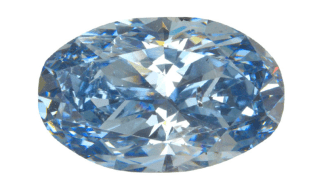
Rare blue diamonds form deep, deep, deep inside Earth
The recipe for rare blue diamonds may include boron, seawater and massive rock collisions.
- Animals
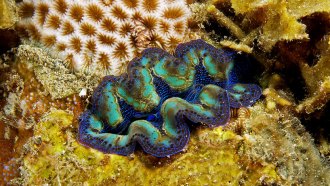
Here’s how a clam can hide within a rock
Old boring clam research has been upended after 82 years.
- Chemistry
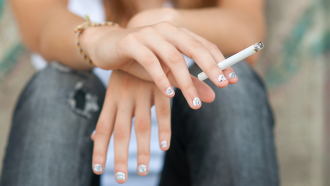
‘Thirdhand’ smoke can hitchhike to non-smoking sites
Harmful “thirdhand” smoke — the type that attaches to surfaces — can hitch a ride on airborne particles or clothes and travel into non-smoking buildings.
- Chemistry
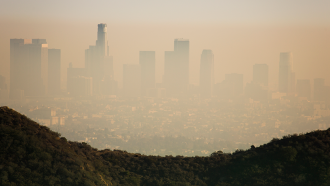
Analyze This: Beauty products are big sources of urban air pollution
In cities, a larger share of urban air pollution comes from the use of bath products, cleansers and more than does the burning of fossil fuels.