Chemistry
- Chemistry
Explainer: Store receipts and BPA
The chemical BPA may become trapped in the skin, causing it to linger in the body for a week or more after touching receipt paper.
- Chemistry
Knowing what you don’t know can help your grades improve
Students who don’t know much tend to be overconfident. A new study shows how bursting their bubbles can help their grades.
- Animals
Scientists Say: Luminescence
Light and heat don’t always have to go together! Luminescence is what occurs when a substance emits light without making heat.
- Chemistry
Science works to save a salty world treasure
Poland’s 700-year old salt mine, just outside Kraków, not only is a cultural art treasure, but also an active research site for geologists, chemists and more.
- Chemistry
When bitter + bitter = sweet
Two artificial sweeteners lose their bitter aftertastes when combined together. Scientists have just figured out why.
- Chemistry
Scientists Say: Gradient
This is a word used to describe the rate that something changes over a distance or time. Examples include the strength of a smell or the steepness of a mountain.
- Chemistry
U.S. Army is developing high-tech underwear
A new fabric could warm the skin of active soldiers in cold climates. At the same time, it could soak away sweat that might otherwise cause chills.
- Animals
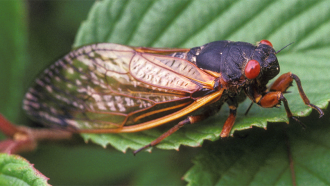
Why are cicadas such clumsy fliers?
Chemical clues in the cicada’s wing may help explain why the bulky insect is a lousy flier.
- Chemistry
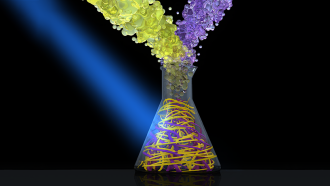
Blue light flexes its chem-building muscle
Scientists found a new way to build a strong but bendable blend of polymers. The trick? Expose the ingredients to a beam of blue light.
- Chemistry
Explainer: What are polymers?
Polymers, whether natural or artificial, are big molecules made by linking up smaller repeating chemical units. The most common “backbones” for polymers are chains of carbon or silicon, each of which can bond to four other atoms.
- Chemistry
Specially coated fabric could turn a shirt into a shield
Specially treated fabrics offer a new kind of defense against chemical attacks. It could protect troops — and people living in war-torn nations where chemical weapons may be used.
- Chemistry
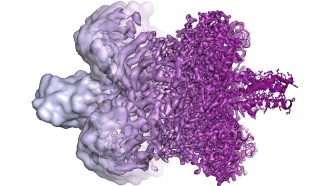
Super-chilled imaging technique brings its developers the Nobel Prize in chemistry
Three men who helped develop a super-high-resolution imaging technique for proteins, viruses and more received the 2017 Nobel Prize in chemistry.