Earth
- Earth
Scientists Say: Atmosphere
An atmosphere is an envelope of gas around a planet, dwarf planet or moon.
- Environment
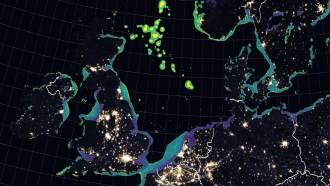
Night lights make even the seas bright
Light from coastal cities and offshore development may shine deep enough to disrupt tiny critters living dozens of meters (yards) below the surface.
- Chemistry
Ponds made to control floods can spew climate-warming gases, study finds
Younger stormwater ponds can release more carbon in gases than they absorb, a study finds. That could aggravate global warming.
- Environment
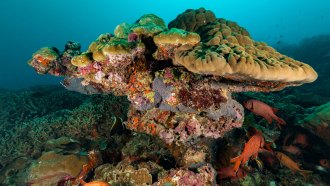
Analyze This: Corals stash microplastics in their skeletons
Scientists have wondered where the ocean’s microplastic pollution ends up. Corals may trap about 1 percent of particles in tropical waters each year.
- Climate
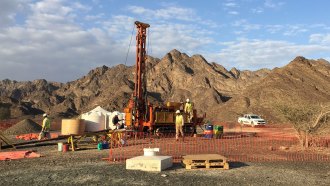
A bold plan to save the planet turns carbon dioxide into stone
Scientists hope that capturing carbon dioxide this way will limit both further warming of our planet and an escalation of extreme weather events.
- Chemistry
We all unknowingly eat plastic, which may host toxic pollutants
In the environment, plastics attract all types of toxic chemicals. If ingested, new data show, chemicals on those plastic bits may harm the gut.
- Climate
UN report calls for two-pronged approach to slow climate impacts
The latest IPCC climate change report underscores an urgent need for action to avoid the worst consequences of global warming.
- Chemistry
A disinfectant made from sawdust knocks out deadly microbes
It’s made by pressure-cooking sawdust and water, is cheap and easy to make — and could lead to greener cleaning products than chemicals used today.
- Earth
The Alps’ Matterhorn shows how much even big mountains sway
Such mountain sway data can help planners map high-risk zones for peaks, bridges or any large structures.
- Brain
Teen inventors say: There’s got to be a better way
Finalists in the 2022 Regeneron Science Talent Search are revamping prostheses, earthquake safety systems and air travel.
- Climate
Satellites find big climate threats — ultra-emitters of methane
Eyes in the sky show many of the worst methane emitters are in countries that produce a lot of oil and gas, such as Russia and the United States.
- Earth
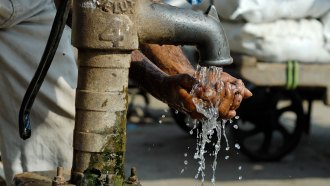
Let’s learn about Earth’s secret stash of underground water
Groundwater provides drinking water to billions of people and is used to water crops worldwide.