Earth
-
- Earth
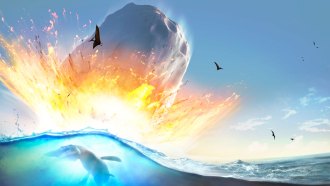
Not one, but two asteroids might have ended the age of dinosaurs
A craterlike structure found off the coast of West Africa might have been formed by an asteroid that struck around the time dinosaurs went extinct.
- Earth
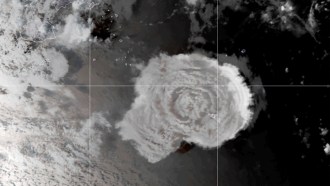
One 2022 tsunami may have been as tall as the Statue of Liberty
A massive volcanic eruption in the South Pacific, earlier this year, appears to have triggered one tsunami that was initially 90 meters (nearly 300 feet) tall.
- Earth
Amateur astronomers reveal clues to a mysterious double aurora
Stunning images from citizen scientists show an unusual pattern in ‘Northern Lights.’ They offer clues that may help astronomers better understand a curious red glow.
- Climate
Heat waves appear more life-threatening than scientists once thought
This is bad news as a warming planet leads to growing numbers of excessive heat waves — and millions more people facing potentially deadly temperatures.
- Earth
Scientists Say: Humidity
Feel sticky when you step outside on a summer day? Blame humidity — water in the air.
- Health & Medicine
Wildfire smoke seems to pose its biggest health risk to kids
New studies, some of them in young monkeys, point to vulnerabilities affecting kids' airways, brains and immune systems.
- Health & Medicine
Western wildfire smoke poses health risks from coast to coast
As wildfires become more common, their hazardous smoke is sending East Coast residents — especially children — to emergency rooms.
- Animals
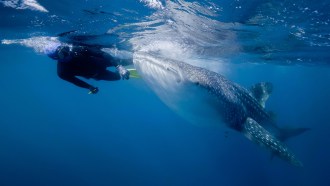
Whale sharks may be the world’s largest omnivores
Chemical clues in the sharks’ skin show that the animals eat and digest algae.
- Animals
Warm feathers may have helped dinos survive mass Triassic die-off
Dinosaurs may have weathered freezing conditions about 202 million years ago, thanks to warm feathery coats.
- Health & Medicine
Let’s learn about heat waves
Heat waves often occur when a high-pressure system lingers over a certain area. These deadly events are on the rise due to climate change.
- Earth
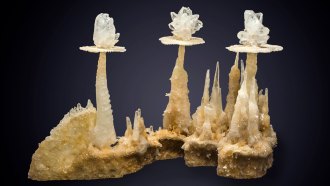
Earth’s rock collection hints at how to search for life elsewhere
A new way to sort minerals focuses on how they formed. It provides new clues about Earth’s crystal past and how to find life on other planets.