Earth
- Ecosystems
Welcome to the Arctic’s all-night undersea party
Life teems in the frozen darkness of the Arctic night. But as the ice recedes and people move in, their light pollution may disturb the animals living there.
- Earth
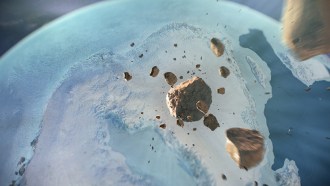
A massive crater hides under Greenland’s ice
Radar images point to a crater buried deep under ice in Greenland. Meltwater from the site suggest an asteroid created it. Did this collision trigger a thousand-year global cooling?
- Environment
Here’s the science you loved in 2018
When our readers read about science, they want to read about research that hits close to home, like smartphones, chocolate, vaping and more.
- Environment
ICYMI: 2018’s top science offerings
From gene-edited babies to firenados and lavanados, this year offered both stunning news and curiosities in the world of science and research.
- Health & Medicine
What makes Aquaman special? He can take a lot of pressure
The new Aquaman movie makes life under the sea look pretty glamorous. In fact, we puny humans probably couldn’t take the pressure.
- Oceans
This robotic jellyfish is a climate spy
Scientists have developed a robotic jellyfish to collect data about the ocean. It’s small and nimble, and gentle on marine ecosystems.
- Climate
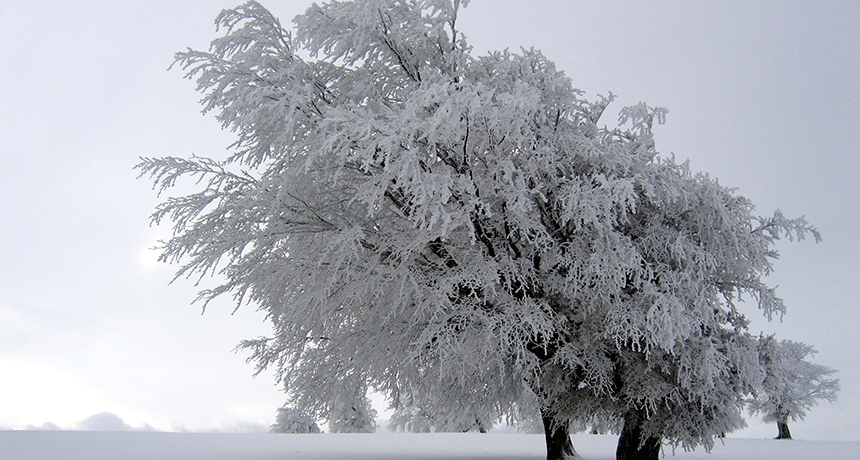
Scientists Say: Rime ice
Rime ice is ice that forms when water freezes in a snap onto a surface.
- Earth
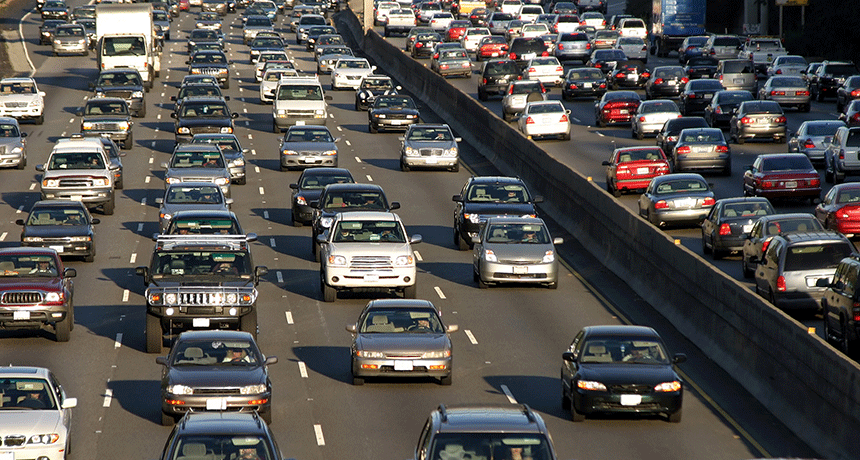
Car tires and brakes spew harmful microplastics
Wear and tear on car tires, brakes and roads releases harmful microplastics to the air. These end up polluting waterways and harming fragile ecosystems.
- Climate
Carbon dioxide emissions will hit a record high globally in 2018
CO2 emissions from China, the United States and India all rose in 2018, a new report finds. This is despite urgent calls for nations to cut back on their releases of this greenhouse gas.
- Climate
A wave of change is coming to our planet’s water resources
How will climate change affect you most? Check your kitchen sink.
- Climate
Explainer: Earth’s water is all connected in one vast cycle
Water on Earth is connected in an endless loop called the water cycle.
- Earth
New ways to clean up polluted sources of drinking water
Some 21 million people in the United States may get drinking water from sources that are polluted. Some new water treatments promise to greatly lower costs or tackle formerly hard-to-remove pollutants.