Earth
- Chemistry
Shell shocked: Emerging impacts of our acidifying seas
As Earth’s climate changes, the oceans are becoming more acidic. Here’s how oysters and reefs are responding to their acidifying bath.
- Animals
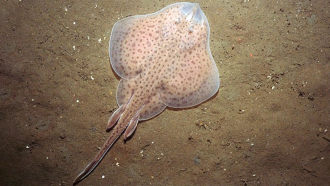
Ocean acidification may ground swimming skates
Fish might seem immune to acidic waters, but check their skeletons. They can be vulnerable and eventually alter how fish behave.
- Animals
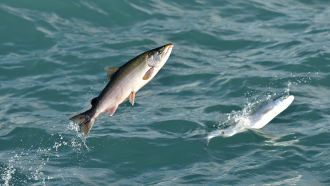
Is ocean acidification knocking the scents out of salmon?
In more acidic water, salmon don’t seem to recognize the smell of danger. Will their populations take a nosedive as carbon-dioxide levels rise?
- Climate
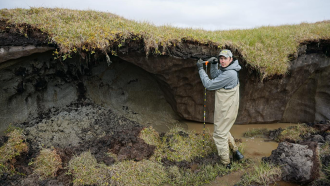
Earth’s permafrost is heating up
Climate change is warming Earth’s permafrost — and in some places thawing it. This could lead to massive releases of planet-warming greenhouse gases.
- Climate
The many faces of snowstorms
There are many different types of winter storms. How do they work?
-
- Chemistry
This houseplant can clean indoor air
Houseplants may be able to help clean up polluted indoor air. Scientists gave this one a boost by givng it a gene from a rabbit.
- Ecosystems
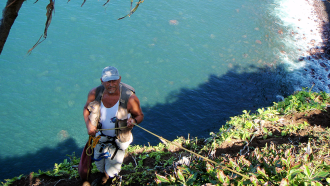
Rare-plant hunters race against time to save at-risk species
One in five plants is at risk of extinction. Meet the rare plant hunters who rappel down cliffs and trek through forests to save them.
- Climate
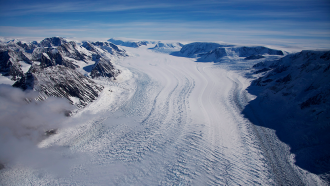
The big melt: Earth’s ice sheets are under attack
Antarctica and Greenland are losing ice 3 to 6 times as quickly as in the 1980s. And by 2100, the rate of loss could increase another 10-fold.
- Earth
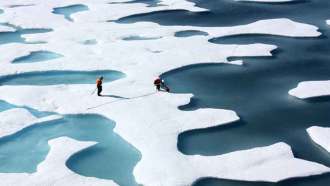
Why Antarctica and the Arctic are polar opposites
Antarctica and the Arctic are shaped by different forces. And in the face of global warming, these cold climates are morphing in different ways.
- Climate
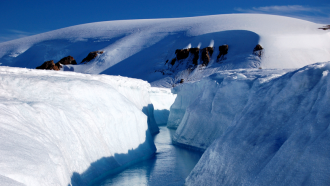
Climate change cripples planet’s glaciers and ice caps
The world’s glaciers and ice caps hold far less ice than Antarctica and Greenland. But as they shrink, they’re impacting sea levels and water supplies.
- Climate
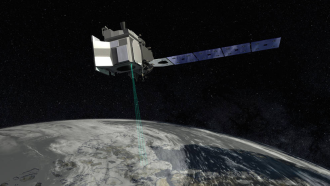
ICESat-2 measures ice and more from space
ICESat-2, launched in September 2018, will detect changes in Earth’s ice sheets and glaciers. It also will monitor our planet’s forests and clear shallow waters.