Earth
- Earth
To study a geyser, these teens built their own
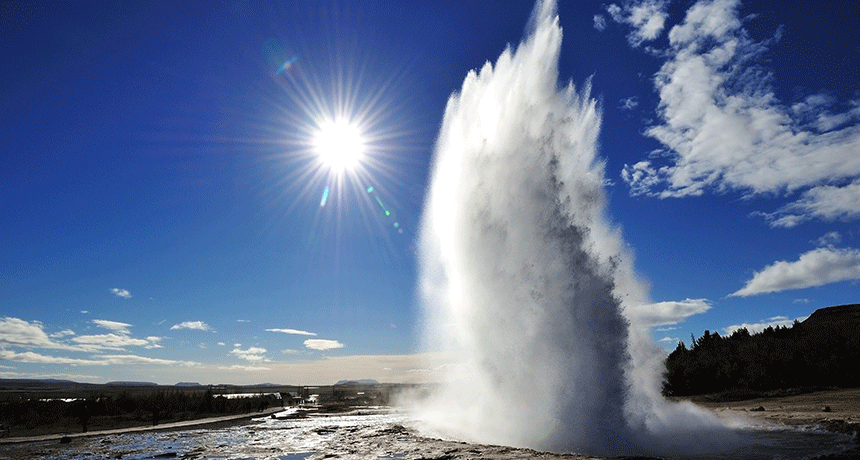
Fascinated by geysers but unable to see one? These teens decided to build their own. It allowed them to study how temperature and pressure make the water spew into a founta.
- Environment
Maybe ‘shade balls’ should not be balls
So-called shade balls have a range of uses in water reservoirs, from cutting evaporation to reducing the growth of algae. But the best performers might not actually be balls, a Florida teen now shows.
- Earth
Tiny air pollutants inflame airways and harm heart
New studies show how tiny bits of air pollution, called particulate matter, can lead to health problems ranging from chronic runny noses to heart disease.
- Animals
Nighttime lights can dim a firefly’s flash
Fireflies blink to attract mates. But when it’s too bright at night, the insects may stay away.
- Earth
Scientists Say: Continent
A continent is a large land mass. Geologists recognize six of them — Africa, Antarctica, Eurasia, Australia, North America and South America.
- Life
Weird mega-worm found to have odd diet
Giant shipworms have bacteria in their gills that produce food for them. This has made their digestive organs shrink from lack of use.
- Earth
Plastic trash rides ocean currents to the Arctic
Ocean currents can carry plastic trash far from the cities that shed it. Some plastic debris has made it all of the way to the Arctic Ocean, new data show.
- Earth
Some food-packaging pollutants mess with the thyroid
Chemical pollutants may hurt the ability of the thyroid gland to make an important hormone. Teens may be most at risk.
- Agriculture
Sheep poop may spread poisonous weed
Fireweed is a poisonous plant in Australia. Sheep can eat it without hurting themselves. But a teen found those sheep may be spreading more weeds.
- Oceans
Teen’s invention can warn of deadly rip currents
A teen lifeguard from Australia has invented a buoy that can alert swimmers to the strong, swift and deadly rip currents that can sweep them dangerously far offshore.
- Animals
These killer whales exhale sickening germs
A group of endangered killer whales are exhaling disease-causing germs. Researchers worry these microbes could make the animals sick.
- Earth
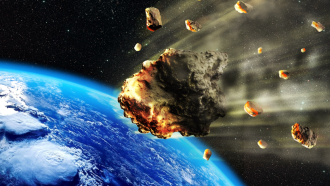
Death by asteroid may come in unexpected ways
Most deaths from an asteroid impact would likely come from shock waves and winds, not earthquakes and tsunamis. That's the conclusion of new studies. The good news: Such killer space rocks are quite rare.