Earth
- Climate
Cool Jobs: Head in the clouds
What do a microbiologist, an atmospheric scientist and a materials engineer have in common? They’ve all got their heads in the clouds.
- Chemistry
Beyond diamonds: Search is on for rare carbon crystals
A search for previously undiscovered carbon minerals was announced in December 2015. Researchers have begun finding a handful and are actively scouting for dozens more.
- Chemistry
Scientists know that you pee in the pool
A new way to find urine in pools and hot tubs measures the concentration of an artificial sweetener in the water.
- Earth
How Earth got its moon
How did our moon form? Scientists are still debating the answer. It may be the result of some one big impact with Earth — or perhaps many small ones.
- Chemistry
Did your burger come with a side of non-degrading pollutants?
Perfluorinated compounds pollute the environment and might harm human health. A new study shows that one place they often show up is the paper and cardboard used to package fast foods.
- Earth
Keeping space missions from infecting Earth and other worlds
Scientists are always looking for ways to stop Earthly microbes from polluting other planets. The same goes for bringing bits of other planets back to Earth.
- Earth
Deep-sea dump: Trash is collecting on the Arctic seafloor
Trash is building up on the bottom of the Arctic Ocean, including plastic bags, glass shards and fishing nets.
- Environment
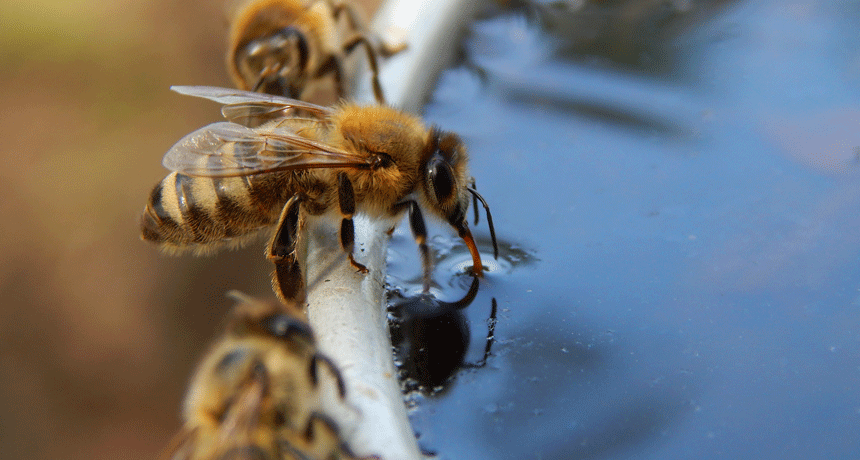
Cleaning up water that bees like to drink
Plant roots suck up pesticides used on soils, then release them into water that can seep from their leaves. This is a sweetened water that bees love to sip. A teen figured out how to remove most of the pesticide with bits of charcoal.
- Agriculture
Teen converts water pollutant into a plant fertilizer
Too much phosphate can fuel algal growth, which can rob oxygen from the water. This can suffocate fish and other wildlife. Stefan Wan found a way to collect that pollutant, which can later be used as a farm nutrient.
- Earth
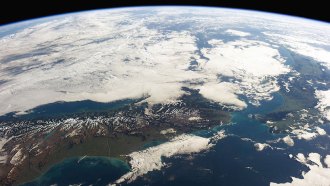
Is Zealandia a continent?
Geologists are making the case for a new continent, that they would dub Zealandia. It can be found largely submerged beneath the southwestern Pacific Ocean.
- Agriculture
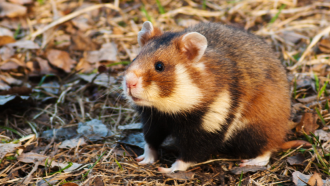
Wild hamsters raised on corn eat their young alive
European hamsters raised in the lab turn into crazy cannibals when fed a diet rich in corn, new data show. The problem may trace to a shortage of a key vitamin.
- Ecosystems
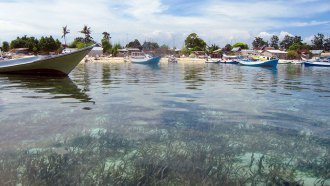
Underwater meadows appear to fight ocean germs
The seagrasses that sway in coastal currents are more than aquatic groundcover. They can reduce harmful bacteria that might otherwise sicken neighboring animals, new data show.