Earth
- Agriculture
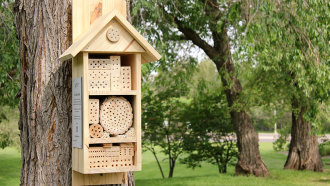
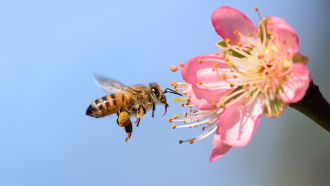
Bee hotels are open for business
Bee hotels are creating a buzz in conservation and research by offering nesting places for wild bees.
- Earth
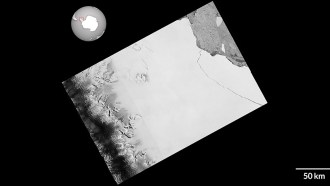
Antarctic ice shelf sheds Delaware-sized iceberg
Larsen C is a major ice shelf in Antarctica. An iceberg the size of Delaware has just splintered off of it in one of the largest calving events ever recorded.
- Climate
Hunting the mysterious source of a global illness
Doctors and scientists around the world are scouring the environment for the elusive cause of Kawasaki disease, a harmful childhood illness.
- Animals
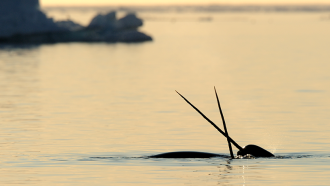
Beware the tap of the narwhal’s tusk
A new video shows narwhals using their tusks to tap fish before eating them. They might be stunning their prey — or just playing with their food.
- Climate
Cool Jobs: Bringing caves’ dark secrets to light
These three cave researchers study caves to learn more about climate, geology and organisms that can survive some of Earth’s most hostile environments.
- Ecosystems
Camera catches new fish species — as it’s eaten!
A video of a lionfish eating a new-found species of fish raises concerns about the threat lionfish pose to undiscovered species in deep reefs.
- Chemistry
Trees can make summer ozone levels much worse
The greenery can release chemicals into the air that react with combustion pollutants to make ozone. And trees release more of those chemicals where it gets really hot, a new study finds.
- Animals
Popular pesticide may harm bee flight
In a lab experiment, honeybees flew sluggishly after eating pesticide-tainted food.
- Chemistry
World’s deepest zoo harbors clues to extraterrestrial life
Scientists have found a wide range of life deep below Earth’s surface. The discoveries could help inform our search for life on other planets.
- Climate
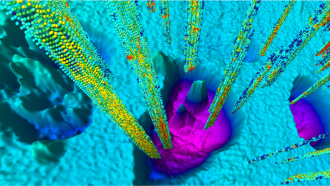
Ancient Arctic ‘gas’ melt triggered enormous seafloor explosions
Methane explosions 12,000 years ago left huge craters in bedrock on the Arctic seafloor. Scientists worry more could be on the way today as Earth’s ice sheets melt.
- Animals
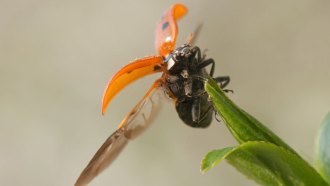
Analyze This: A massive annual insect migration
A study of seasonal insect migration gave some surprising results.
- Environment
Is your home chilly? This might just be healthy
Feeling mildly cold (or a bit too warm) forces the body to adjust what it’s doing to maintain a healthy temperature. And that can do a body good, data now show.