Earth
- Environment
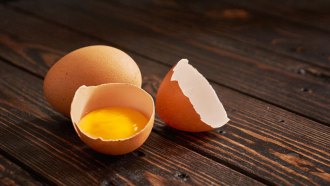
Eggshells help hatch a new idea for packaging
Why just crack an egg? Make the shell into itty bitty bits and use them to build a more biodegradable plastic. New research shows how.
- Climate
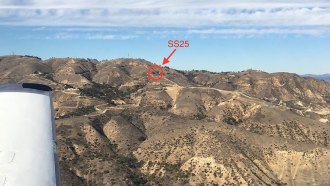
Enormous natural-gas leak polluted L.A. air
A massive methane release from a single leaky underground well spewed as much of the greenhouse gas into the air as a mid-sized European country does in an entire year.
- Archaeology
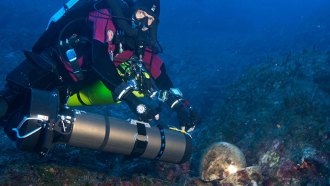
Diving deep into history
New technologies help underwater archaeologists learn more about shipwrecks and other artifacts at the bottom of rivers, lakes and oceans.
- Climate
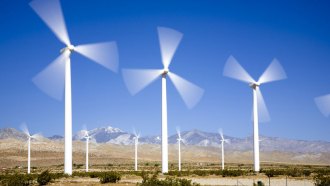
Cool Jobs: The power of wind
Science and engineering careers explore all aspects of wind, from terrible tornadoes to aeronautics and clean energy.
- Chemistry
Gulf oil spills could destroy shipwrecks faster
In the Gulf of Mexico, leftover crude oil from the Deepwater Horizon spill may be speeding the corrosion of old shipwrecks.
- Climate
Sea level rising fastest in 2,800 years
The oceans rose faster during the 20th century than any time in the past 2,800 years. More than half of the rise came from global warming.
- Earth
Cool Jobs: Careers on ice
From Greenland to Utah to Jupiter, scientists unlock mysteries frozen in ice.
- Earth
Tiny air pollutants are big, big killers
Air pollution now ranks as the world’s fourth leading cause of death. About 5.5 million deaths in 2013 trace to just one type, called particulates.
- Agriculture
A shock to the food system
Droughts and other weather extremes caused by climate change are dramatically increasing the risk of short-term interruptions in the supplies of food.
- Tech
Powered by poop and pee?
Scientists are developing methods to not only remove human waste from wastewater, but also to harness the energy hidden within it.
- Earth
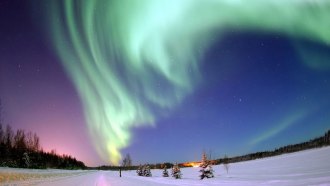
Bright night lights, big science
When the northern lights flare, blame the sun. Scientists say auroras “surge” when energy from solar wind builds up on the night side of the Earth.
- Earth
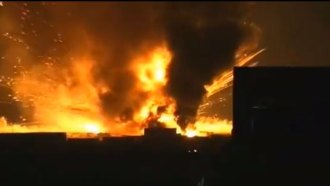
Tracking warfare by ‘Earth shakes’
Geophysicists are discovering how weapons shake, rattle, and roll the Earth. What they’re learning might one day help win wars.