Environment
- Climate
Analyze This: 2020 ties with 2016 for hottest year on record
Last year capped the warmest decade on record. It coincided with a growing increase of warming greenhouse gases in Earth’s atmosphere.
- Environment
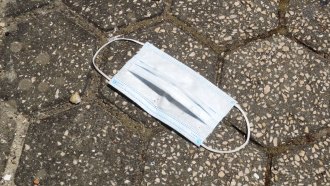
Unmasking the pandemic’s pollution problem
Discarding all the materials people use to protect themselves from COVID-19 has created a growing environmental problem.
- Animals
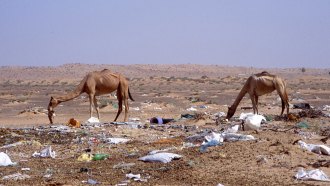
Camels have been dying after mistaking plastic for food
Plastic waste has been building up in the guts of some camels. It may now be killing off one percent of them in the United Arab Emirates each year.
- Earth
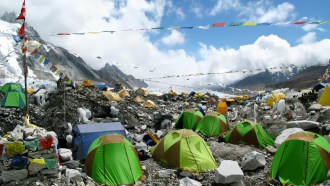
Analyze this: Microplastics are showing up in Mount Everest’s snow
Microplastics have made their way to the snow on Earth’s tallest peak. Most of the plastic likely comes from climbers’ equipment and clothes.
- Animals
Utah mink is first known case of the coronavirus in a wild animal
A wild mink appears to have picked up the novel coronavirus from farmed animals. Such spread in the wild does not appear common.
- Environment
Why today’s ‘fast fashions’ can be bad for the planet
The constant buy-wear-toss cycle of fast fashion isn’t sustainable. It hurts the environment and takes a toll on our wallets, too.
- Environment
Old clothes soon may be recycled, not trashed
One day, clothes may be recycled almost as much as plastics and glass are now. See how chemists are moving us in that direction.
- Chemistry
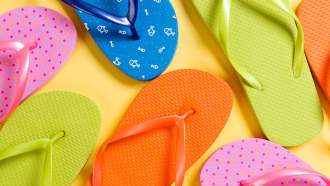
Here’s how to make flip-flops biodegradable
Innovative flip-flops made from an algae-based plastic decompose in soil or compost. The comfy shoes also avoid use of fossil fuels.
- Ecosystems
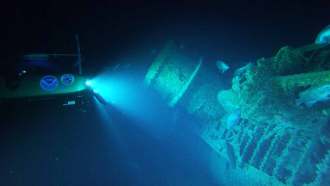
Analyze This: Shipwrecks provide a home for bottom-dwelling fish
Fish have found a habitat in a submarine and freighter that sunk to the seafloor during World War II.
- Climate
Surprising long-haul dust and tar are melting high glaciers
Dust and tar blown onto high mountains, like the Himalayas, boost the melting of snow and ice far more than scientists had realized. Here’s why.
- Animals
Jumping ‘snake worms’ are invading U.S. forests
These bad-news invaders are spreading across the United States. As they turn forest debris into bare ground, soils and ecosystems are changing.
- Animals
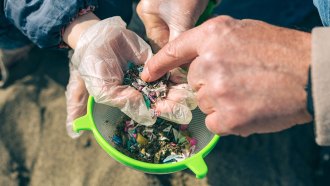
Polluting microplastics harm both animals and ecosystems
Researchers are beginning to uncover the real-world impacts of polluting microplastic bits on animals and the ecosystems they inhabit.