Environment
- Chemistry
Microbes mine treasure from waste
Like miniature factories, bioreactors house microbes recruited to chew through wastes to clean dirty water, make chemicals or generate electricity.
- Environment
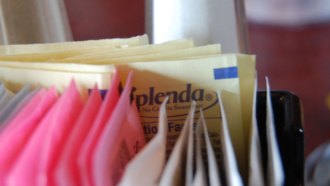
Not so sweet: Fake sugar found at sea
Sucralose — sold in stores as Splenda — has begun turning up in seawater. This raises concern about the fake sweetener’s impacts on the environment.
- Environment
Eggshells help hatch a new idea for packaging
Why just crack an egg? Make the shell into itty bitty bits and use them to build a more biodegradable plastic. New research shows how.
- Climate
Enormous natural-gas leak polluted L.A. air
A massive methane release from a single leaky underground well spewed as much of the greenhouse gas into the air as a mid-sized European country does in an entire year.
- Chemistry
Gulf oil spills could destroy shipwrecks faster
In the Gulf of Mexico, leftover crude oil from the Deepwater Horizon spill may be speeding the corrosion of old shipwrecks.
- Animals
What a drag! Fishing gear’s effects on whales
Many whales become entangled in the gear that fishing boats use to catch fish and shellfish. Such debris can have dire impacts on the big mammals.
- Climate
Arctic ice travels fast, carrying pollution
Climate change is melting old sea ice in the Arctic. Now, younger, thinner ice is migrating far and fast, taking pollutants with it.
- Chemistry
Rocks hold clues to ancient die-offs
Rocks that formed during ancient mass-extinction show that the oceans back then had become very warm. That was the last time Earth spewed carbon dioxide into its atmosphere at a rate similar to what is happening today.
- Agriculture
Building better, safer soils
Engineering safer soils for urban growers can reduce the risk of lead exposure and let low-income families enjoy more fresh fruits and vegetables.
- Earth
The most important stories of 2015
From Pluto to gene editing, the year saw a number of notable research discoveries, advances and insights.
- Environment
Water: Getting the salt out
A new water-cleansing technology passes electricity through a flow of salty water. This will generate a zone of fresh water that can then be collected.
- Environment
Engineers consider liquid salt to generate power
A new type of power plant, a molten salt reactor, might provide electricity in a cleaner and safer way than current nuclear technology.