Environment
- Environment
Scientists Say: Fracking
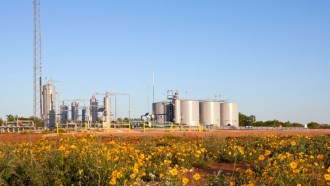
Liquid fuel sources such as natural gas and petroleum form deep underground between layers of rock. To retrieve them, engineers often use a technique called hydraulic fracturing, or fracking.
- Animals
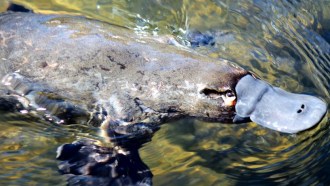
Cats and foxes are eating up Australia’s mammals
Since the arrival of Europeans in Australia, a startling number of mammal species have disappeared. A new study puts much of the blame on cats and foxes introduced by the early settlers.
- Animals
Orangutans take the low road
Cameras spotted orangutans walking down logging roads to get around. That may be a good sign that they can adapt to changes in their woodsy environment.
- Animals
Hellbenders need help!
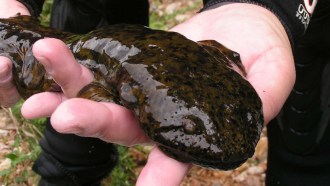
Hellbenders already face threats such as habitat loss, pollution and disease. But climate change could make matters worse. And the problems facing hellbenders could spell trouble for more than just these giant amphibians.
- Chemistry
Air pollution can mess with our DNA
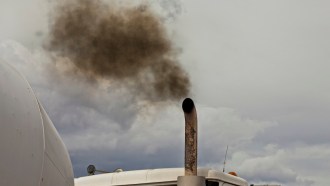
New research suggests a type of air pollution — diesel fumes — can affect your health. It inappropriately switches some genes on, while turning off others.
- Environment
Nature documentary puts people in the picture
Many nature documentaries cut people out of the frame. A new series aims to show how we are entwined with our environments.
- Earth
Plastics at sea create raft of problems
About 5.25 trillion pieces of plastic float in the world's oceans, a new study finds. That's a problem. This 269,000 tons of plastic can choke, entangle and poison a wide variety of sea creatures.
- Animals
Spidey sense: Eight-legged pollution monitors
Spiders that prey on aquatic insects can serve as sentinels that naturally monitor banned chemicals that still pollute many rivers across the United States.
- Environment
Soot fouls subway stations — and maybe lungs
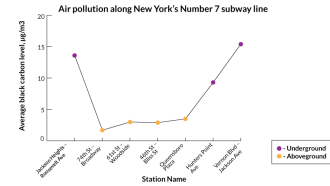
Soot levels in stations for New York City’s electric subway trains exceed the levels outdoors, a new study finds. The underground source of this black carbon: maintenance trains that share the tracks with subway trains. Breathing soot can aggravate asthma and other lung disease.
- Earth
Artificial sweeteners pollute streams
Fake sugars sweeten foods without adding calories. But most pass right through the body, down the toilet, into water treatment plants — and from there, right into lakes and streams.
- Agriculture
Drones put spying eyes in the sky
From keeping tabs on changing landscapes to protecting animals from poachers, scientists are using drones to push their fields forward.
- Earth
How people have been shaping the Earth
We are the dominant force of change on Earth. Some experts propose naming our current time period the ‘Anthropocene’ to reflect our impact.