Health & Medicine
- Genetics
Cell gangs may help cancer spread
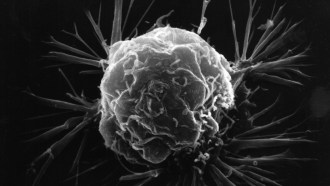
A new study on mice suggests that when cancer cells strike out from a primary (first) tumor in groups, they have an especially good chance of creating new tumors elsewhere.
- Health & Medicine
Scientists say: Inflammation
When cells are injured, they send out distress signals. The rescuing cells cause more blood to flow to the area, producing inflammation.
- Animals
A nervy strategy for transplants
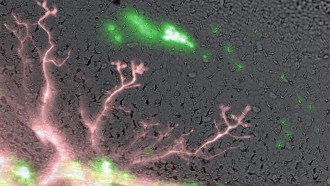
Adjusting the electric charges in cells helped a transplanted eye reach out to its new host. The eye grew cells, which help transmit signals to other cells.
- Environment
Soot fouls subway stations — and maybe lungs
Soot levels in stations for New York City’s electric subway trains exceed the levels outdoors, a new study finds. The underground source of this black carbon: maintenance trains that share the tracks with subway trains. Breathing soot can aggravate asthma and other lung disease.
- Brain
Nano air pollutants strike a blow to the brain
Most people think that air pollution poses the biggest risk to our lungs. In fact, pollution hits the brain too, sometimes by traveling a direct route — through our noses. These tiny pollutants can harm IQ and more.
- Brain
Scents may affect how appealing tobacco is
Menthol’s effects on the brain may make tobacco more addicting. In contrast, foul odors might help smokers quit. Two new studies show how.
- Brain
ADHD linked to air pollutants
Air pollution from cars and industries can spew pollutants known as PAHs. A new study shows children have a greater risk of ADHD if their mothers inhaled a lot of PAHs while pregnant.
- Genetics
Why animals often ‘stand in’ for people
Rats, birds, fish — even flies and worms — can stand in for people in laboratory testing. This allows scientists to safely evaluate harmful chemicals as well as to identify and test potential new drugs. But such tests will never be a foolproof gauge of effects in people.
- Chemistry
Thirdhand smoke poses lingering danger
The pollutants in cigarette smoke can linger indoors for hours. Indeed, they may pose risks long after any visible smoke is gone.
- Genetics
How ‘bugs’ in our bellies impact our health
Gut bacteria can play a powerful role in human health, new studies show. In one, bacteria turned a nutrient in red meat into a chemical that boosts the risk of a heart attack. Another study shows that our genes play a role in whether we are fat or thin, probably by affecting which bacteria prefer to live in our intestines.
- Brain
Can soft drinks speed aging?
A new study suggests a reason why daily sugary-soda drinkers are more prone to disease: Guzzling these drinks shortens the protective caps on chromosomes. If the caps get too short, cells die.
- Health & Medicine
The secret of fast runners: symmetry
Science had shown that animals and people with symmetrical bodies tend to be stronger and healthier. Now researchers find they can predict the best sprinters by measuring the top runners’ knees.