Health & Medicine
- Brain
Screen time can mess with the body’s ‘clock’
Reading on an iPad in the evening can make it harder to fall asleep — and harder to wake up the next morning, a new study finds. The light from its screen tinkers with the body’s clock. And that could risk harming your health.
- Health & Medicine
U.S. outbreak of measles emerges
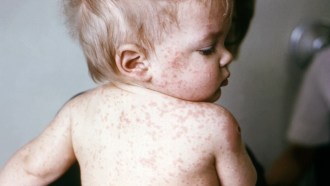
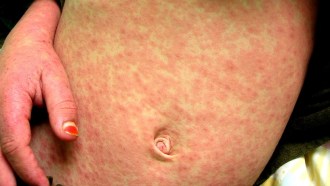
The United States is experiencing an outbreak of measles. A traveler likely brought in the virus from abroad, which is now spreading. Most of those infected were never vaccinated and could now face serious health risks.
- Health & Medicine
10 things to know about measles
Many people think that the measles vaccine wiped out the disease — at least in the United States. It hasn’t. And people who were never vaccinated face the primary risk of getting this very serious disease
- Health & Medicine
Most students wrong on risks of smoking occasionally
Teens know that heavy smoking can seriously harm health. But most, a new study finds, don’t realize that smoking only now and then also is harmful. Data from a survey highlight teens’ mistaken ideas about the risks of intermittent smoking.
- Genetics
Immunity: Environment can have big impact
A study on twins suggests that environmental factors can shape a person's immune system more than genes do.
- Brain
A new ‘spin’ on concussions
Scientists have suspected that rotational forces in the brain may underlie concussions. A new study used athletic mouthguards containing sensors. Data on head movements during collisions suggest that a twisting of the brain may underlie mild brain injuries, including concussion.
- Health & Medicine
Ongoing Ebola outbreak traced to hollow tree
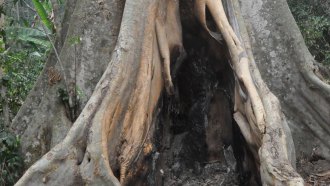
Scientists suspect the current Ebola outbreak started with bats that lived in a hollow tree in Guinea. The outbreak's first victim, a two-year-old boy, often played in the tree.
- Health & Medicine
New germ fighter turns up in dirt
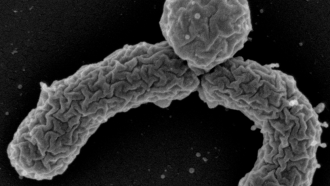
Scientists have found a compound in soil that can kill the microbes that cause anthrax, tuberculosis and other diseases.
- Chemistry
Air pollution can mess with our DNA
New research suggests a type of air pollution — diesel fumes — can affect your health. It inappropriately switches some genes on, while turning off others.
- Health & Medicine
A whale of a lifespan
Bowhead whales can live more than 200 years. The secret to such longevity may lie in the Arctic species’ genes. Scientists recently mapped the whale’s genetic code. They found features that protect the marine mammal against cancer and other problems related to old age.
- Health & Medicine
Cold noses nurture colds
The common cold infects the nose. Scientists long have known the virus grows better there, but not why. Now, a study finds the body’s defenses simply don’t work as well under the nose’s slightly cooler temperatures.
- Computing
Virtual wounds: Computers probe healing
To better understand how the body heals wounds, scientists have begun creating computer programs that let virtual cells fight it out. These ‘computer games’ could lead to better medicines.