Humans
- Science & Society
How daylight saving time throws off your internal clock
Turning the clock ahead knocks our bodies and brains out of sync with the sun. That leads to many potential health issues.
- Archaeology
Carvings on Australia’s boab trees reveal a people’s lost history
Archaeologists and an Aboriginal family are working together to find and document a First Nations group’s lost ties to the land.
- Archaeology
American democracy arrived long before Columbus did
Indigenous peoples of the Americas developed self-rule long before the pilgrims arrived or the U.S. Constitution was written.
- Health & Medicine
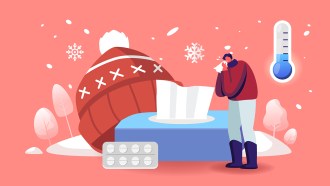
Explainer: Why it’s easier to get sick in the winter
Low humidity helps viruses survive, and cold weather blunts some of the body’s immune responses — making colds and other viral infections more likely.
- Humans
Let’s learn about Neandertals
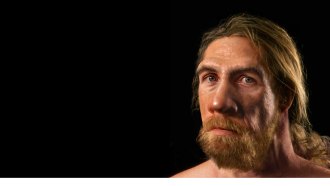
Neandertals are an extinct species closely related to modern humans. They made tools and jewelry, controlled fires and cared for their sick.
- Environment
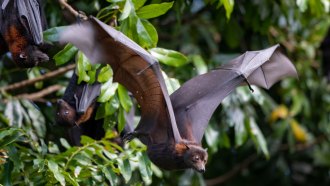
Protecting forests may help head off future pandemics
Hungry bats are more likely to shed harmful viruses to people or livestock when they spread out to hunt food. Conserving forests may limit this risk.
- Brain
The pandemic prematurely aged teens’ brains
A small study showed certain structural changes that appeared three to four years early. Normally, premature aging of the brain is not a good sign.
- Humans
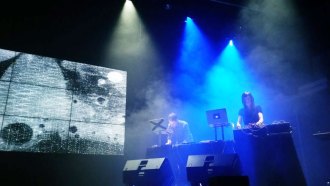
When it comes to dance, it’s all about the bass
During a concert, people danced more when they were bathed in sounds that were too low for their ears to hear.
- Brain
Some screen time may aid kids’ recovery from concussions
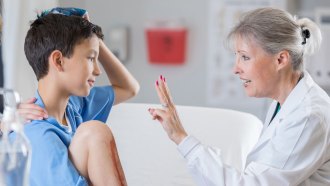
A few hours a day on digital devices may actually aid recovery by connecting kids with friends and giving their brains some stimulation.
- Environment
Gas stoves can spew lots of pollution, even when they’re turned off
A new study finds they can leak benzene and other harmful chemicals into homes, sometimes at very high levels.
- Microbes
Mouth-crawling superbugs cause severe cavities in kids
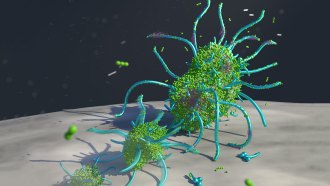
In kids with severe tooth decay, fungi and bacteria team up to create superorganisms that can crawl across teeth.
- Archaeology
Neandertals were a lot like our human ancestors
From toolmaking to healthcare, new research finds that Neandertals shared many cultural and social similarities with our human ancestors.