Life
- Brain
Study links ADHD to five brain areas
A new international study shows that the brains of children with ADHD are different from those in people without this condition.
- Animals
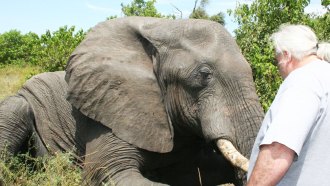
Wild elephants sleep for only two hours at night
New measurements suggest that wild elephants may need less sleep than any other mammal.
- Plants
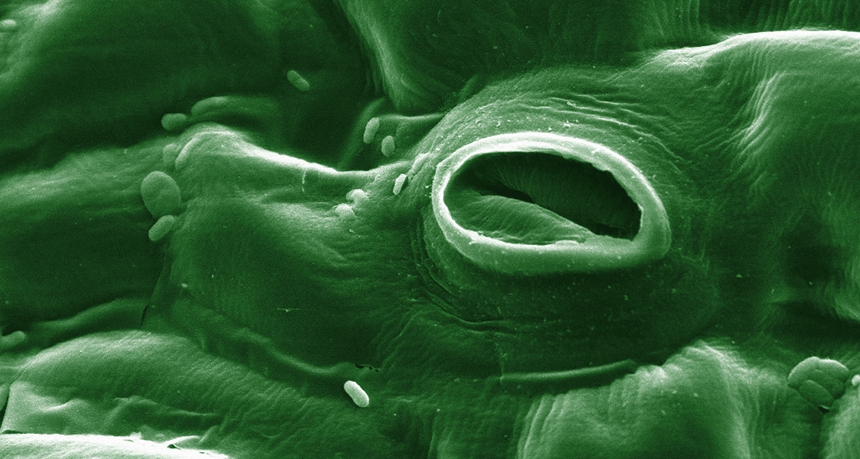
Scientists Say: Stomata
Plants have pores they open and close to let oxygen, carbon dioxide and water vapor in and out. These pores are called stomata.
- Fossils
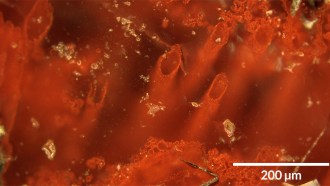
Fossils offer new candidate for earliest life
Rock unearthed in Canada appears to hold fossils from seafloor microbes that would have lived around 4 billion years ago, when Earth was very young.
- Brain
Anxious about math? Your brain may tackle simple problems differently
A study found more variable brain activity in people who get nervous about math problems than those who do not.
- Ecosystems
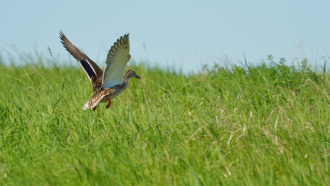
America’s duck lands: These ‘potholes’ are under threat
North America’s prairies are in trouble. Scientists race against the clock for clues about how to save the plants — and animals — that call it home.
- Science & Society
Will we know alien life when we see it?
The hunt is on for extraterrestrials. But recognizing them may require some wiggle room in what we define as being alive.
- Earth
Keeping space missions from infecting Earth and other worlds
Scientists are always looking for ways to stop Earthly microbes from polluting other planets. The same goes for bringing bits of other planets back to Earth.
- Science & Society
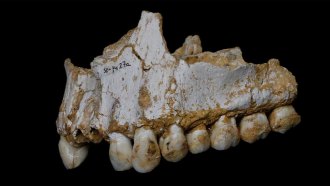
Fossils point to Neandertal diets — and medicine use
Whether Neandertals were largely meat-eaters or vegans depended on their environment, fossils now suggest. Their teeth also indicate they used natural medicines.
- Brain
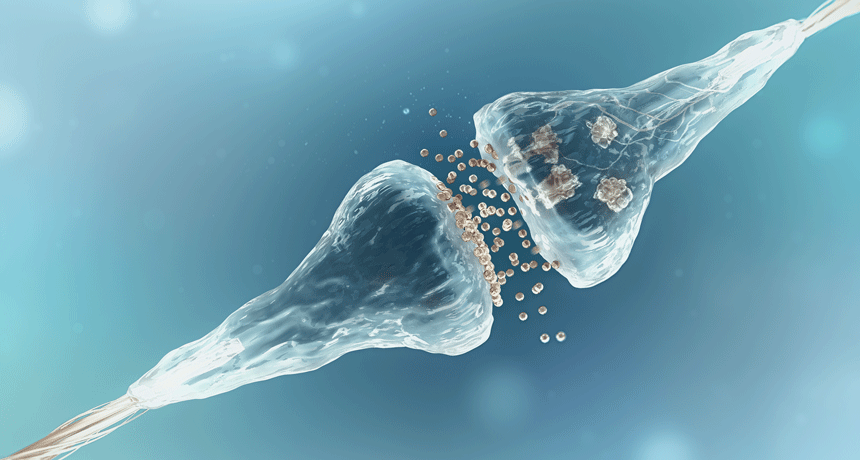
Scientists Say: Synapse
When brain cells need to pass messages, they do it without touching, across a space called a synapse.
- Environment
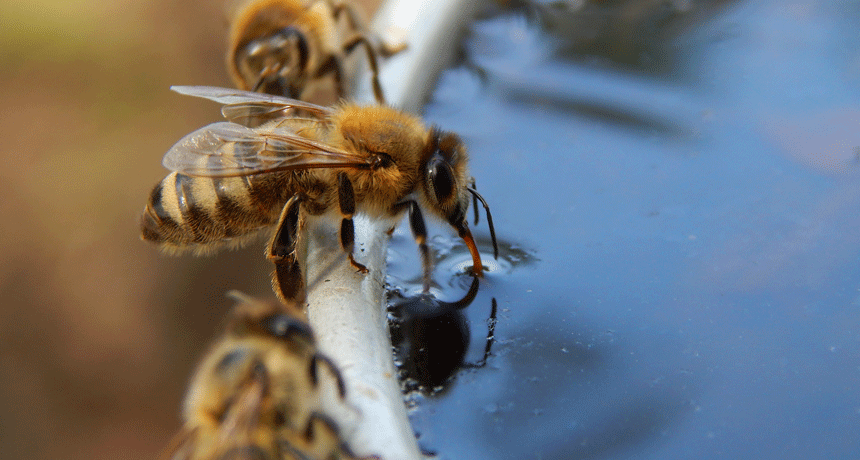
Cleaning up water that bees like to drink
Plant roots suck up pesticides used on soils, then release them into water that can seep from their leaves. This is a sweetened water that bees love to sip. A teen figured out how to remove most of the pesticide with bits of charcoal.
- Animals
Frog’s gift of grab comes from saliva and squishy tissue
What puts the grip in a frog’s high-speed strike? Quick-change saliva and a super-soft tongue, scientists find.