Life
- Animals
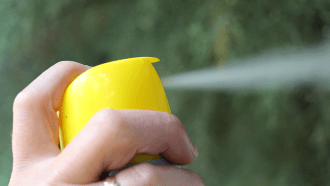
Analyze This! Mosquito repellents that work
Spray-on repellents are generally the best at keeping those blood suckers from making you their next meal, new data show.
- Agriculture
Scientists Say: Domestication
Domestication is the process of deliberately taking a wild organism — a plant or animal for instance — and making it a part of our daily lives.
- Animals
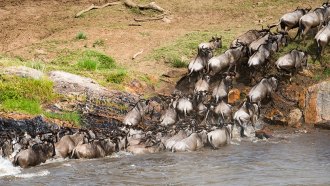
Wildebeest drownings feed a river ecosystem for years
Hundreds or thousands of wildebeests can drown at a time in the Mara River. Those carcasses, however, will feed a succession of other animals.
- Health & Medicine
Explainer: What is a vaccine?
Vaccines give the body’s natural defense system a boost against infectious disease.
- Animals
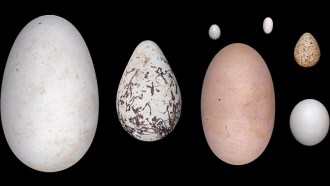
Evolving for flight may have changed the shapes of bird eggs
Birds that are strong fliers tend to have stretched-out or asymmetrical eggs. This might reflect how their bodies evolved for flight.
- Life
Scientists Say: Biofilm
When times get tough, some microbes like to stick together. They form a mass stuck to a surface, called a biofilm.
- Animals
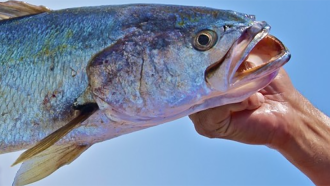
Listening to fish love songs can predict their numbers
Gulf corvinas croak for mates while in groups of millions. By listening to their undersea serenades, scientists may be able to estimate how many are out there.
- Agriculture
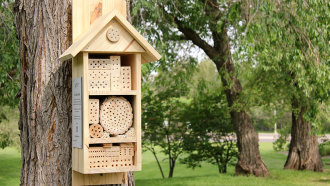
Bee hotels are open for business
Bee hotels are creating a buzz in conservation and research by offering nesting places for wild bees.
- Animals
DNA tells tale of how cats conquered the world
Ancient DNA study suggests that domesticated cats spread across the ancient world in two waves.
- Brain
Adolescents are brain-dense — and that’s good
Gray matter is densely packed in adolescents, brain researchers now find. This may explain how developing adults cope with decreasing gray matter volume.
- Brain
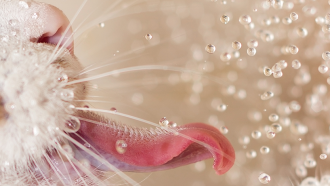
Tongues ‘taste’ water by sensing sour
Water doesn’t taste like much, but our tongues need to detect it somehow. They may do it by sensing acid, a new study shows.
- Animals
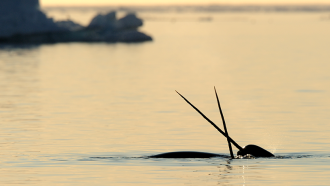
Beware the tap of the narwhal’s tusk
A new video shows narwhals using their tusks to tap fish before eating them. They might be stunning their prey — or just playing with their food.