Life
- Animals
Scientists Say: Extremophile
Some species can survive high heat, freezing cold or other extreme environments. Scientists call these organisms extremophiles.
- Chemistry
New rules point scientists toward next-gen germ-killers
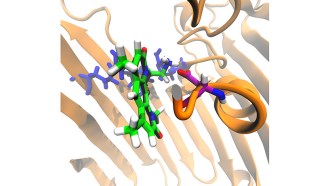
Shape and other features help germ-killing drugs make it through barriers to enter bacteria. Knowing how they do this could lead to more and better better antibiotics.
- Fossils
Study claims to have found oldest human fossils
Humans, as a species, may be much older than previously thought. They also may have evolved further North and West of the suspected cradle of human evolution.
- Genetics
Cool Jobs: New tools to solve crimes
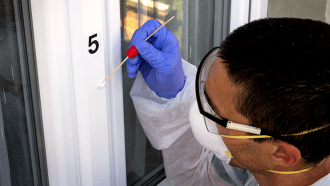
Future investigators may identify criminals by the microbes they leave behind or by using DNA-like evidence from strands of their hair.
- Animals
Underwater robot vacuums up lionfish
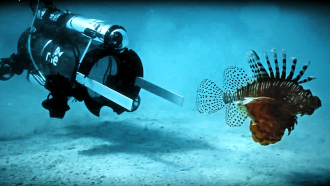
Lionfish damage coral reefs in the Atlantic Ocean. A new underwater robot hunts, stuns and captures the bullies with help from a human operator.
- Genetics
Scientists Say: Chromosome
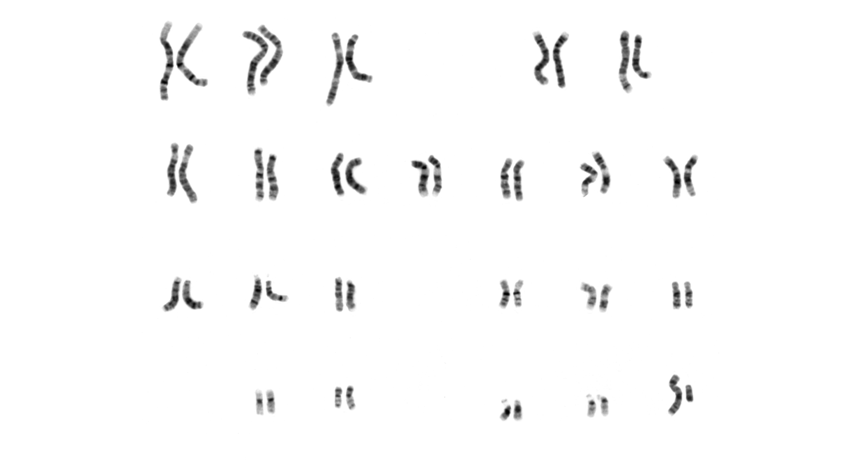
This threadlike structure is made of DNA wrapped around protein. It allows the 3 billion base pairs in human DNA to stay neatly packaged in a cell.
- Health & Medicine
Plant extract mutes germs to fight infections
A plant extract prevents the aggressive behavior seen in some germs. Using it could fight the development of most bladder infections, a teen’s research suggests.
- Brain
When is an epileptic seizure about to strike?
Two high-school research projects suggest ways to identify early warnings of a coming epileptic seizure. This might give people time to free themselves from potentially dangerous activities.
- Animals
How the house mouse found its home
Once people started settling down 15,000 years ago, a mouse species followed them indoors. The animals didn’t need people to be farming and storing food.
- Animals
Nighttime lights can dim a firefly’s flash
Fireflies blink to attract mates. But when it’s too bright at night, the insects may stay away.
- Life
Weird mega-worm found to have odd diet
Giant shipworms have bacteria in their gills that produce food for them. This has made their digestive organs shrink from lack of use.
- Health & Medicine
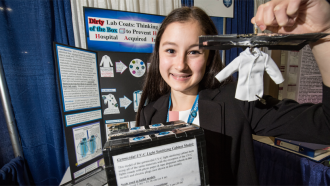
A light-filled box could blast bacteria from lab coats
Doctors can pick up bacteria on their lab coats. A teen has designed a special light-filled box to keep those coats from infecting others with those germs.