Life
- Animals
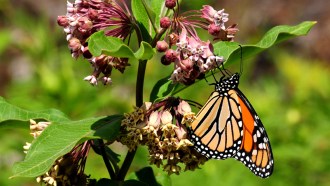
Salted butterflies
The salt used on winter ice can alter the bodies of summer's butterflies. Males develop larger muscles and females get bigger brains.
- Animals
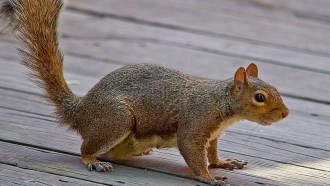
Stalking squirrels for science
A scientist noticed the squirrels in his family’s town, and began studying them. His results show why squirrels are such good city dwellers, and prove that science is right outside your door.
- Brain
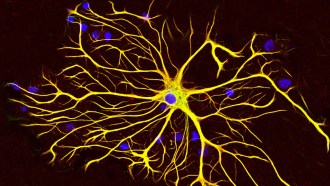
Hunger’s little helpers
Astrocytes were thought to be nothing more than support cells for neighboring nerve cells. A new study suggests they do much more. These brain cells may help control appetite, too.
- Fossils
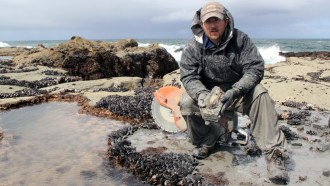
Fossil hunting can start as child’s play
Paleontology isn’t just for professionals. You don’t even need to be a teen to sometimes make startling — and scientifically important — contributions.
- Fossils
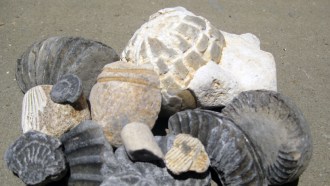
Explainer: How a fossil forms
Minerals can replace any bone, shell or once-living tissue and also fill in the spaces between these hard parts, birthing a fossil.
- Animals
A library with no books
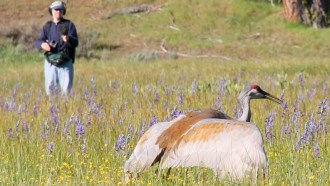
The Macaulay Library at Cornell University has no books. Instead, the audio library has been accumulating sound recordings since 1929.
- Animals
A library of tweets (and howls and grunts)
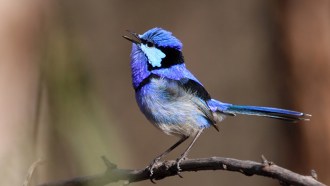
The Macaulay Library houses a world of animal sounds. And now anyone with an Internet connection can check out this audio collection.
- Environment
Native ‘snot’
The ‘rock snot’ choking rivers may be native algae. Experts blame its sudden and dramatic emergence on changes in Earth’s atmosphere, soils and climate.
- Fossils
These prehistoric fliers likely nested together
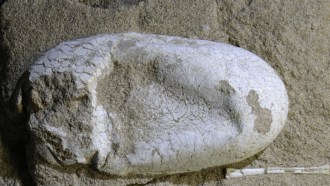
Fossils in nest of newfound pterosaur species suggest these animals were part of a social network — and may even have lived communally.
- Animals
Free app tracks fireflies
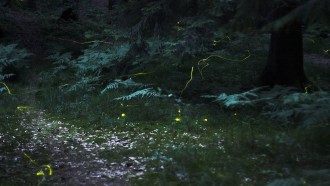
Scientists are worried about firefly populations. Now you can use a free app to map firefly flashes, and contribute data to tracking the health of this popular summertime bug.
- Genetics
Newfound DNA ‘enhancer’ behind many natural blonds
Some snippets of DNA other than genes play a role in giving some people of European a golden crown of hair.
- Animals
Decoding bee dances
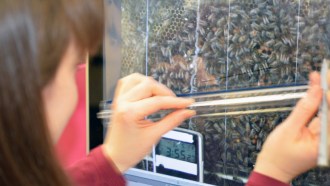
Biologists have started eavesdropping on bees — or their dancing sign language — to identify where these buzzers prefer to forage. This info is pointing to which bee-friendly habitats may be most important to preserve.