Life
- Animals
Butts of these fly larvae mimic a termite’s face
Young blowflies found in Morocco look — and smell — like the termites they hide amongst. These tricks help the larvae survive amongst the killers.
- Microbes
Living lenses? Glass-coated microbes might take better photos
Bacteria with a gene from sea sponges can coat themselves in glass. Working as tiny, bendable lenses, they could lead to thinner cameras or sensors.
- Health & Medicine
Scratching an itch has both good effects and bad
Mice that scratch itchy ears trigger more redness and swelling — but also may combat harmful bacteria.
- Environment
More and more, microplastics are collecting in our brains
Over eight years, the mass of microplastics in human brains increased by some 50 percent. There are growing hints that internal microplastics may harm us.
- Brain
Brain scans may offer clues to the mental health of trans youth
A teen researcher identified a possible link between brain development and mental health in young trans people.
- Animals
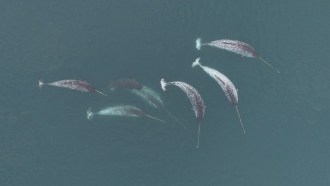
Narwhals may use their enormous lance-like tusks to play
Video shows narwhals using their tusks to prod — even flip — fish they don’t target as prey. It’s the first reported evidence of these whales playing.
- Animals
Mosquitoes taste you before they decide to bite
Mosquitoes seem to prefer some flavors over others. Knowing what they like — and hate — could lead to better ways to prevent bites.
- Brain
Scientists Say: Neuroplasticity
Neurons in the brain forge new connections and sometimes trim back old ones. This capacity for change allows us to learn new skills and recover from injury.
- Plants
Could trees ever get up and walk away?
In fantasy, trees can walk, climb and even fight. Real trees move, too. It just happens in extreme slow mo.
- Animals
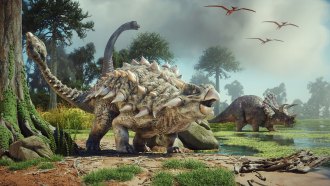
Dinosaurs are still alive. Today, we call them birds
Birds don’t look like the scaly giants of Jurassic World. But fossils are revealing how these modern-day dinosaurs descended from ancient reptiles.
- Animals
What is a dinosaur?
Scientists have named more than 1,000 species of nonavian dinosaurs. Their legacy lives on in the 11,000-plus bird species alive today.
- Fossils
This paleontologist solved a nearly 50-year-old dino mystery
ReBecca Hunt-Foster described what is now the state dinosaur of Arkansas