Life
- Animals
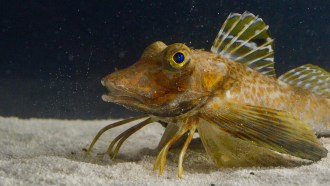
Some fish have legs that can taste prey underfoot
Taste buds on those legs may explain why northern sea robins are so good at finding food that is buried in the sandy seafloor.
- Animals
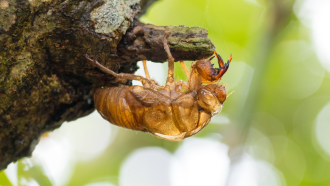
Scientists Say: Exoskeleton
This plate armor provides protection to insects, spiders and more. But that benefit comes with tradeoffs.
- Physics
Much of the sun’s light is green. Why does it look yellow?
Sunlight's peak intensity is at a green wavelength. Here’s why it doesn’t appear that way to us.
- Animals
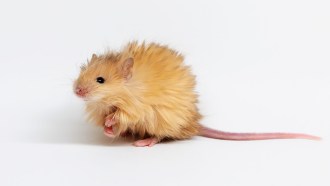
Can this ‘woolly mouse’ help bring back extinct mammoths?
Scientists created mice with woolly mammoth–like traits. But that doesn’t mean we’re close to bringing back woolly mammoths.
- Animals
Dire wolves or not, these pups could help counter extinction
Some question if these are just gene-tweaked gray wolves. Still, the tech behind the new "dire wolves" might help some living at-risk species avoid extinction.
- Materials Science
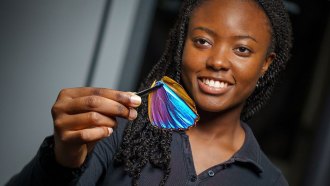
A beautiful blue butterfly wing offers a new way to study cancer
Once a morpho butterfly wing is placed atop a thin slice of tissue, shining polarized light through it can help reveal how likely breast cancer is to spread.
- Brain
Let’s learn about memory
Brain injuries, drug use and other factors can impair our memory. But targeted practice and healthy habits can boost our ability to remember.
- Plants
Scientists Say: Circumnutation
Plants are always on the move, their tips slowly waving in search of better light — a process called circumnutation.
- Animals
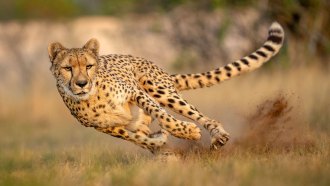
Analyze This: Why the fastest creatures are neither tiny or huge
The “Goldilocks zone” for fast animal speed seems to depend on a body not being too small or so big it gets in the way of its own strength.
- Agriculture
A secret climate superhero lies beneath our farms
Agriculture contributes to climate change. But changes to how farms manage soil might help remove carbon and other greenhouse gases from the air.
- Animals
Lab-grown mosquitoes could help protect Hawaii’s native birds
To curb the spread of avian malaria, a teen researcher found a way to make those mosquitoes grow faster and stronger.
- Animals
Butts of these fly larvae mimic a termite’s face
Young blowflies found in Morocco look — and smell — like the termites they hide amongst. These tricks help the larvae survive amongst the killers.