Life
- Life
Scientists Say: Ichnology
This field of science looks to understand life — past and present — by studying how organisms altered their surroundings.
- Tech
Synthetic biology aims to tackle disease and give cells superpowers
DNA machines and protein-mimicking nanotech could replace broken machinery in cells or even lead to made-from-scratch synthetic life.
- Tech
Let’s learn about the benefits of playing video games
Too much screentime poses health risks, but research suggests playing video games can sharpen some skillsets.
- Animals
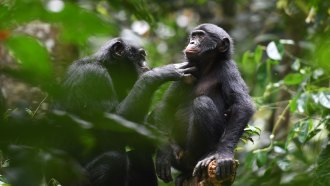
Bonobos cooperate across social groups — even with no clear payoff
Bonobos cooperate with outsiders, even when they get no clear benefit out of it. This could shed light on social evolution in other primates, even us.
- Animals
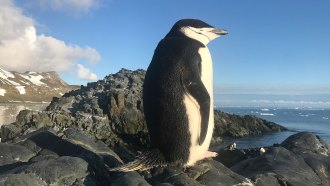
These penguins nap 10,000 times a day, for seconds at a time
Such an extreme sleep schedule may help nesting chinstrap penguins protect their young while still getting more than 11 hours of shut-eye.
- Psychology
Pets and other animals can boost health and well-being
Living with animals seems to provide some health benefits, from lower stress levels to a stronger immune system.
- Animals
Like tiny Jedis, rats can move digital objects with their brains
Rats imagined their way through a 3-D virtual world in a new study. The results hint at how brains think about places they aren’t physically in.
- Life
Has the Endangered Species Act saved species from extinction?
After 50 years, this landmark law has kept many species alive — but few wild populations have recovered enough to come off the “endangered” list.
- Brain
Brain scans hint at how well teens will manage pandemic stress
A study that followed hundreds of teens during the COVID-19 pandemic now suggests why some of them handled long-term stress better than others.
- Tech
Let’s learn about flying drones for science
Airborne robots help researchers keep tabs on wildlife, agriculture and more.
- Ecosystems
Restoring giant underwater forests, one blade at a time
Giant kelp are at risk due to climate change and human activities. In New Zealand, a community effort is rebuilding these underwater algal forests.
- Oceans
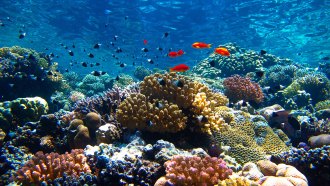
Shading corals during midday heat can limit bleaching
Shading coral reefs during the sunniest part of the day may help corals survive marine heat waves.