Life
- Psychology
Pets and other animals can boost health and well-being
Living with animals seems to provide some health benefits, from lower stress levels to a stronger immune system.
- Animals
Like tiny Jedis, rats can move digital objects with their brains
Rats imagined their way through a 3-D virtual world in a new study. The results hint at how brains think about places they aren’t physically in.
- Life
Has the Endangered Species Act saved species from extinction?
After 50 years, this landmark law has kept many species alive — but few wild populations have recovered enough to come off the “endangered” list.
- Brain
Brain scans hint at how well teens will manage pandemic stress
A study that followed hundreds of teens during the COVID-19 pandemic now suggests why some of them handled long-term stress better than others.
- Tech
Let’s learn about flying drones for science
Airborne robots help researchers keep tabs on wildlife, agriculture and more.
- Ecosystems
Restoring giant underwater forests, one blade at a time
Giant kelp are at risk due to climate change and human activities. In New Zealand, a community effort is rebuilding these underwater algal forests.
- Oceans
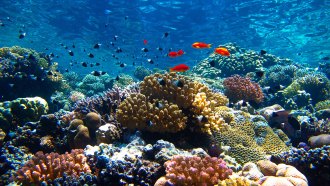
Shading corals during midday heat can limit bleaching
Shading coral reefs during the sunniest part of the day may help corals survive marine heat waves.
- Animals
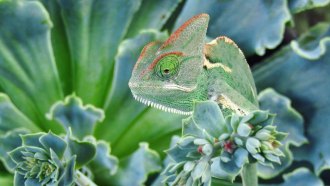
Scientists Say: Camouflage
Plants and animals alike hide in plain sight using this sneaky strategy.
- Environment
Pumping cold water into rivers could help fish chill out
Hundreds of salmon, trout and other fish sought shelter from summer heat in the human-made cool zones. These areas may help fish adapt to river warming.
- Animals
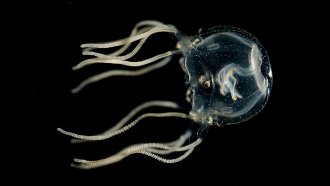
These jellyfish can learn without brains
No brain? No problem for Caribbean box jellyfish. Their simple nervous systems can still learn, a study suggests.
- Tech
Bits of trees can make and store energy for us to use
This cellulose and lignin, two major building blocks of trees, could lead to greener electronics.
- Tech
Bionic plants and electric algae may usher in a greener future
Some can aid the climate by removing pollutants. Others would just avoid dirtying the environment in the first place.