Life
- Health & Medicine
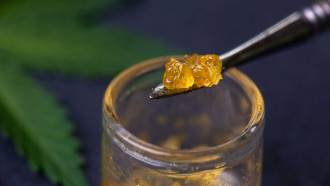
The teen brain is especially vulnerable to the harms of cannabis
Today’s concentrated cannabis products — with higher THC levels — may pose greater risks of addiction and psychosis than ever before.
- Animals
A newfound type of hedgehog is small, dark and adorable
At first, this hedgehog was mistaken for a lookalike relative. But its teeth, skull shape and DNA confirmed it as a new species.
- Science & Society
Music has the power to move us physically and emotionally. Here’s why
The way music impacts the brain can improve mood and overall health.
- Animals
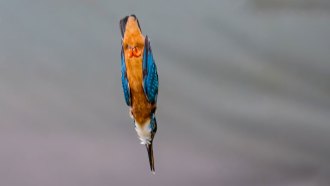
Here’s how kingfishers avoid concussions during high-speed dives
Understanding the genetic adaptations that protect the birds’ brains as they dive might one day offer clues to protecting human brains.
- Physics
Neutrons are unveiling hidden secrets of fossils and artifacts
Images made with these particles have revealed details of dinosaur bones, mummies and more.
- Animals
Horned lizards and snakes tend to ambush their prey
The reptiles’ horns could help or hinder during foraging, depending on how they hunt. This might be why horns evolved in some species and not others.
- Animals
Pikmin’s plant-animal mashups don’t exist — but sun-powered animals do
Corals team up with photosynthetic zooxanthellae. Some sea slugs steal chloroplasts. How might animals and plants team up in Nintendo’s Pikmin games?
- Life
Scientists Say: Ichnology
This field of science looks to understand life — past and present — by studying how organisms altered their surroundings.
- Tech
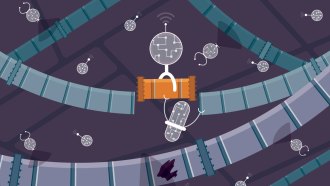
Synthetic biology aims to tackle disease and give cells superpowers
DNA machines and protein-mimicking nanotech could replace broken machinery in cells or even lead to made-from-scratch synthetic life.
- Tech
Let’s learn about the benefits of playing video games
Too much screentime poses health risks, but research suggests playing video games can sharpen some skillsets.
- Animals
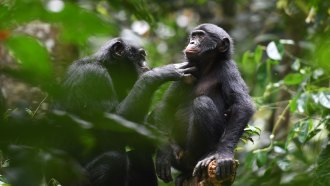
Bonobos cooperate across social groups — even with no clear payoff
Bonobos cooperate with outsiders, even when they get no clear benefit out of it. This could shed light on social evolution in other primates, even us.
- Animals
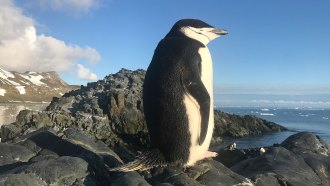
These penguins nap 10,000 times a day, for seconds at a time
Such an extreme sleep schedule may help nesting chinstrap penguins protect their young while still getting more than 11 hours of shut-eye.