Life
- Health & Medicine
Doctors found a snake parasite in a woman’s brain — still alive
This worm typically infects pythons. Though this is its first known infection in humans, other types of worms also can infect the human brain.
- Animals
Scientists Say: Vertebrate
Animals with spines, or vertebrates, come in all shapes and sizes.
- Brain
‘Lucid’ dreamers could solve mysteries about sleeping minds
People who know they’re asleep while dreaming could help study how sleeping minds create elaborate alternate realities.
- Animals
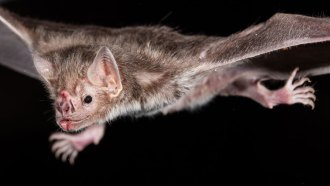
Let’s learn about vampire bats
Vampire bats rarely bite people, instead preferring to feed on animals like cows and horses.
- Animals
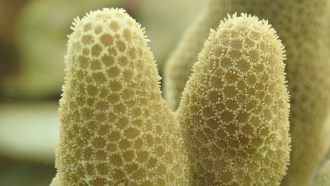
Adult corals have been frozen and revived for the first time
Living corals could be frozen for safekeeping. Scientists could later revive them to restore reef ecosystems that are withering in warming seas.
- Animals
Where does Godzilla get his atomic breath?
Some secrets of the kaiju’s atomic breath can be explained with creative applications of physics and biology.
- Chemistry
Scientists Say: Lignin
This rigid polymer transports water and gives trees their strength.
- Ecosystems
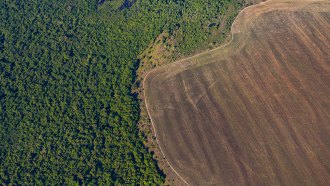
The Amazon is in trouble. Here’s why — and why it matters
Challenges from human-caused climate change, deforestation and degradation leave the fate of this vast forest uncertain.
- Physics
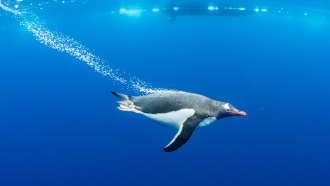
‘Feathering’ helps explain Gentoos’ record-breaking swim speed
Videos and computer analyses reveal the secrets of the penguins’ superspeed. The results could inspire future underwater vehicles.
- Health & Medicine
RNA work that led to COVID-19 vaccines wins 2023 Nobel in medicine
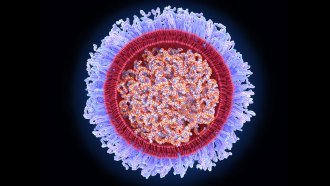
Katalin Karikó and Drew Weissman overcame hurdles to using mRNA for medicine. This led to COVID vaccines — and maybe, one day, some for other infections.
- Brain
Neuroscientists decoded a song from brain activity
The technique could help improve communication devices for people who are unable to speak.
- Animals
This massive ancient whale may be the heaviest animal ever known
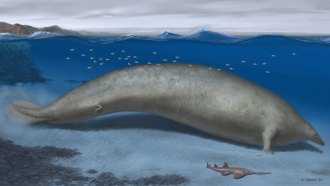
Called Perucetus colossus, it may have tipped the scales at up to 340 metric tons — more than today’s blue whales.