Life
- Animals
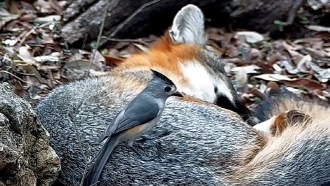
There’s a new word for birds stealing animal hair: kleptotrichy
Dozens of YouTube videos show birds grabbing hair from dogs, cats, people, raccoons and even a porcupine — a behavior rarely described by scientists.
- Animals
A giant tortoise is caught hunting and eating a baby bird
New video captures the first recorded instance of a tortoise hunting another animal.
- Animals
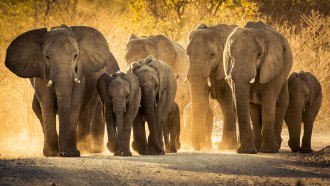
Let’s learn about elephants
Check out five wild facts you may not know about a familiar animal: the elephant.
- Ecosystems
Cheatgrass thrives on the well-lit urban night scene
Middle-grade campers team up with ecologists at Denver University to show that streetlights boost the growth of a reviled invasive species.
- Animals
Will the woolly mammoth return?
Scientists are using genetic engineering and cloning to try to bring back extinct species or save endangered ones. Here’s how and why.
- Animals
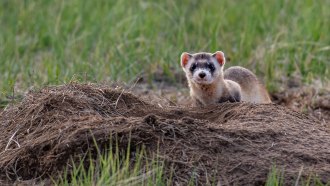
Cloning boosts endangered black-footed ferrets
A cloned ferret named Elizabeth Ann brings genetic diversity to a species that nearly went extinct in the 1980s.
- Brain
Scientists Say: Haptic
Haptic is an adjective used to describe things related to our sense of touch.
- Animals
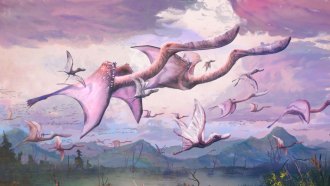
Baby pterosaurs may have been able to fly right after hatching
A bone crucial for lift-off was stronger in hatchling pterosaurs than in adults. The baby reptiles also had shorter, broader wings than grown-ups.
- Animals
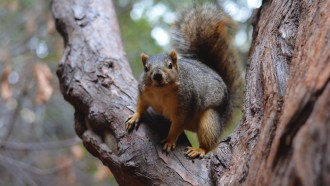
Squirrels use parkour tricks to leap from branch to branch
Squirrels navigate through trees by making rapid calculations. They have to balance trade-offs between branch flexibility and the distance between tree limbs.
- Brain
Discovering the power of placebos
If you take a fake pill and expect to feel better, you may. Researchers are learning how this placebo effect works and how to use it to help patients.
- Archaeology
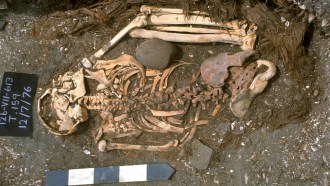
Skeletons point to world’s oldest known shark attacks
The newfound remains came from people who had lived thousands of years ago in Peru and Japan, half a world apart.
- Animals
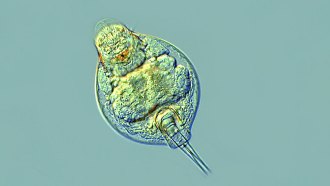
Tiny animals survive 24,000 years in suspended animation
Tiny bdelloid rotifers awake from a 24,000-year slumber when freed from the Arctic permafrost.