Life
- Health & Medicine
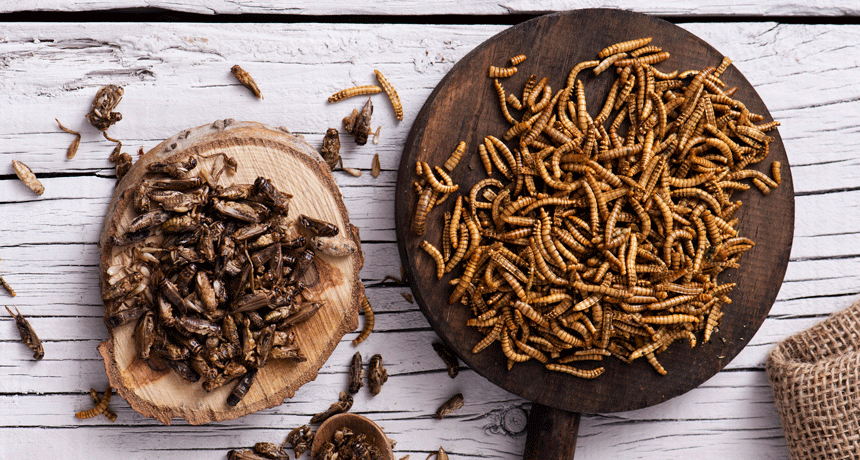
Crickets for breakfast?
In a small trial, levels of beneficial gut bacteria rose in young adults who ate a breakfast that included crickets every day for two weeks.
- Brain
Football and hockey don’t necessarily doom players’ brains to serious damage
A broad look at the brains and behavior of retired pro football players and hockey players finds no signs of early dementia.
- Animals
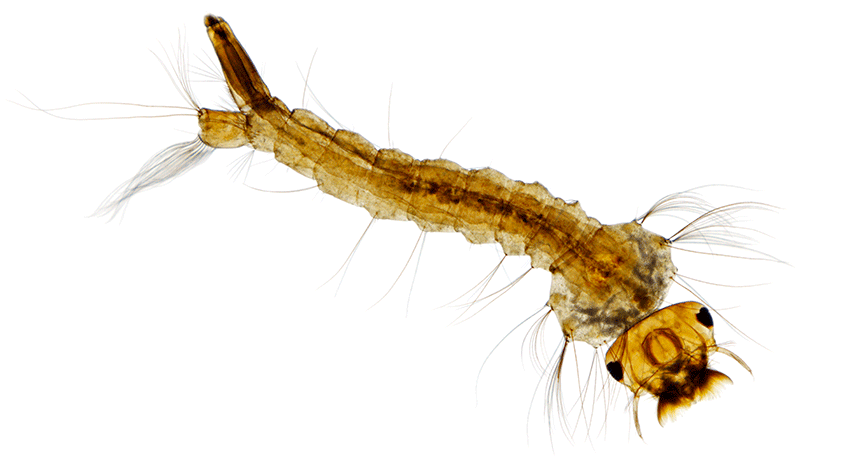
Scientists Say: Larva
Many insects, amphibians and fish have a life stage after they hatch that looks very different from the animal’s adult form. This life stage has its own name.
- Animals
Cool Jobs: Sucking up science with mosquitoes
Mosquitoes are tiny, but the illnesses they spread can be deadly. To fight these germ spreaders, scientists need to get to know mosquitoes better — much better.
- Animals
Nine big stories you may have missed this summer
We hope you enjoyed time off from school this summer. But you may have missed some scientific developments, from mega-eruptions to Martian lakes.
- Animals
Where did all of those king penguins go?
Île aux Cochons in the southern Indian Ocean was once home to the largest known colony of king penguins. Most of those birds are now gone and no one knows why.
- Earth
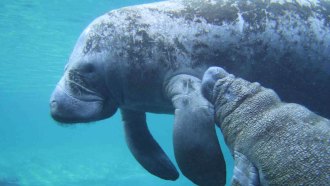
A ‘ghost’ gene leaves sea mammals vulnerable to some toxic chemicals
Manatees, dolphins and other warm-blooded marine animals can't break down some common pesticides. The newfound reason: Long ago, their genes lost the ability to do so.
- Brain
Body heat due to exercise may reduce hunger
Why aren’t animals hungry after a workout? Brain cells that control appetite may sense the exercise heat — and keep you out of the kitchen, a new study finds.
- Animals
What ‘The Meg’ doesn’t quite get right about megalodon sharks
A paleobiologist helps separate shark fact from fiction in the new Jason Statham film The Meg.
- Brain
Soccer headers may hurt women’s brains more than men’s
Women sustain more brain damage from heading soccer balls than men, a new imaging study indicates.
- Animals
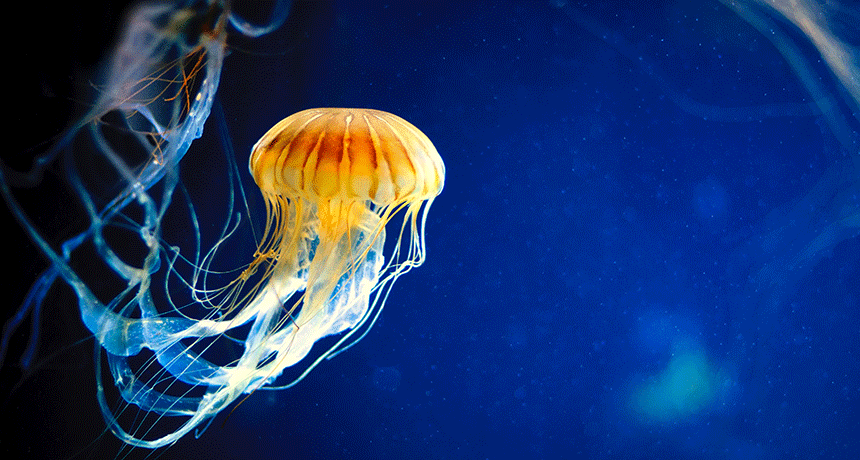
Scientists Say: Nematocyst
Nematocysts are special cells in some ocean critters, such as jellyfish, sea anenomes and corals. They have a barb coated in venom that shoots out at their prey.
- Animals
Koala genes could help scientists save these furry animals
Scientists have examined the clues within koalas’ genetic instruction book. They are learning more about how to save these cuddly creatures.