Life
- Animals
Scientists Say: Krill
Krill are small crustaceans in the ocean. They are an important food source for other larger animals, and their tiny swimming motions can mix nutrients in the sea.
- Animals
These caterpillars are scaring the city of London
The fluffy-haired larvae of the oak processionary moth have a curious behavior, moving in neat, little lines. But the caterpillars pose threats to trees and human health.
- Animals
This extinct bird boasted dinosaur-like teeth
Fossil skulls from an ancient bird shows this flyer had a beak — but dino-like chompers to chew through its prey.
- Genetics
Scientists Say: Intron
These are sections of DNA that are trimmed out before the DNA is copied RNA and translated into protein. But they still have important jobs to do.
- Animals
Uh oh! New approach to saving this species imperiled it
After years separated from predators, these endangered quoll lost their fear of them. This jeopardizes the safety of any quoll released back to their home range.
- Animals
Hefty dinosaurs had a trick for sitting on eggs safely
To keep their eggs warm without squashing them, some heavy dinosaurs laid eggs in a ring and sat in a space at the middle.
- Physics
The plant world has some true speed demons
Some plants can fling, snap and hop at dizzying speeds. Such botanical gymnastics gives lie to the idea that all plants are slow, boring stick-in-the-muds.
- Chemistry
Nom, nom! These bacteria eat antibiotics for lunch
Some soil microbes don’t just break down antibiotics, they can eat them too. Scientists have found one way they do it.
- Chemistry
Ouch! Lemons and other plants can cause a special sunburn
These are among a host of plants (many found in the refrigerator vegetable drawer) that produce chemicals that will kill skin cells when activated by sunlight. The result can be a serious, localized sunburn — sometimes with blistering.
- Earth
Surprise! Fire can help some forests keep more of their water
In California’s Sierra Nevada mountains, a century of fire suppression has led to forests with too many trees. But areas thinned by fire now show one benefit: more water.
- Animals
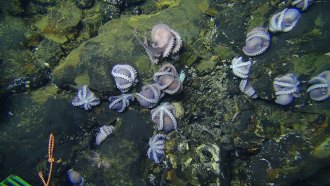
Deep-sea expedition led researchers to doomed octopus nursery
The ill-fated octopods may be a sign that a healthy population is hiding nearby.
- Animals
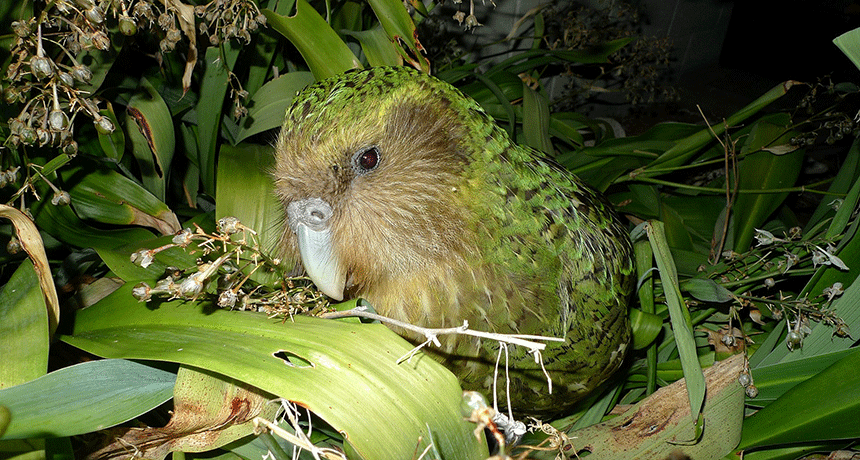
Scientists Say: Kakapo
This is a flightless parrot that lives in New Zealand. Unfortunately, there are only 154 of them left.