Oceans
- Climate
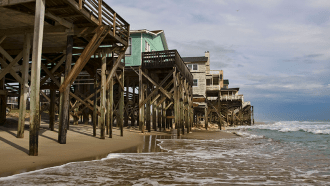
How three coastal communities are dealing with rising seas
As our climate changes and seas rise, people who live near the ocean are at risk of losing their towns — and homes.
- Ecosystems
Welcome to the Arctic’s all-night undersea party
Life teems in the frozen darkness of the Arctic night. But as the ice recedes and people move in, their light pollution may disturb the animals living there.
- Health & Medicine
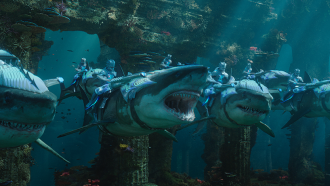
What makes Aquaman special? He can take a lot of pressure
The new Aquaman movie makes life under the sea look pretty glamorous. In fact, we puny humans probably couldn’t take the pressure.
- Oceans
This robotic jellyfish is a climate spy
Scientists have developed a robotic jellyfish to collect data about the ocean. It’s small and nimble, and gentle on marine ecosystems.
- Climate
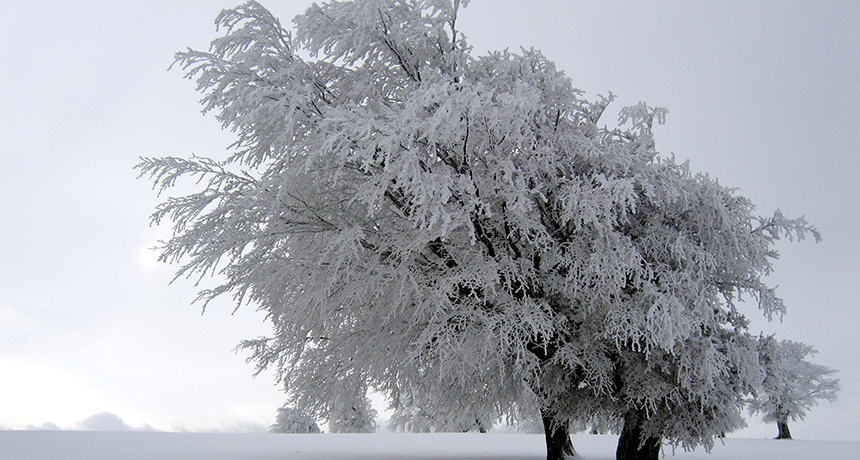
Scientists Say: Rime ice
Rime ice is ice that forms when water freezes in a snap onto a surface.
- Earth
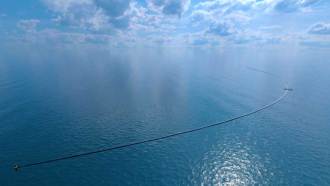
Enormous floating barrier will corral ocean trash
A floating giant barrier has been designed to trap plastic trash in the ocean. But no one’s sure how well it will collect much of the most worrisome type.
- Life
Bacteria are all around us — and that’s okay
Scientists may have identified less than one percent of all bacteria on Earth. But there’s a reason to keep up the hunt. These microbes could help us understand and protect our planet.
- Animals
This penguin prey knows how to fight back
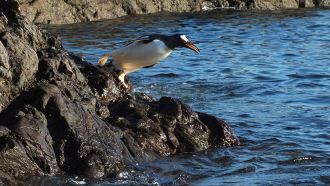
Scientists attached cameras to gentoo penguins off the Falkland Islands. The video revealed that their tiny prey can sometimes win in a fight.
- Ecosystems
New tools aim to better predict blooms of toxic algae
Scientists across the United States are developing programs that can predict when blooms of toxic algal may occur.
- Life
Bird poop helps keep coral reefs healthy, but rats are interfering
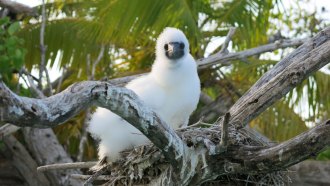
Eradicating invasive rats from islands may help boost numbers of seabirds. The birds’ droppings provide nutrients to nearby coral reefs.
- Earth
Scientists Say: Upwelling
This is a process in which a substance rises and spreads out over something else. Upwelling happens in the ocean, inside the Earth and even in a planet’s atmosphere.
- Animals
Here’s what narwhals sound like underwater
Scientists eavesdropped while narwhals clicked and buzzed. The work could help pinpoint how the whales may react to more human noise in the Arctic.