Oceans
- Climate
Explainer: Hurricanes, cyclones and typhoons
Hurricanes are some of the most destructive forces on the planet. Here’s how they form and why they are so dangerous.
- Oceans
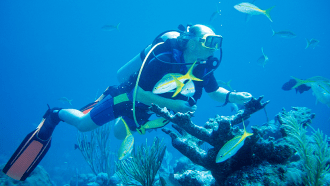
Cuba: How politics has become a hurdle for its researchers
Scientists in Cuba face difficulties getting equipment and publishing results due to a U.S.-imposed trade embargo on their country.
- Animals
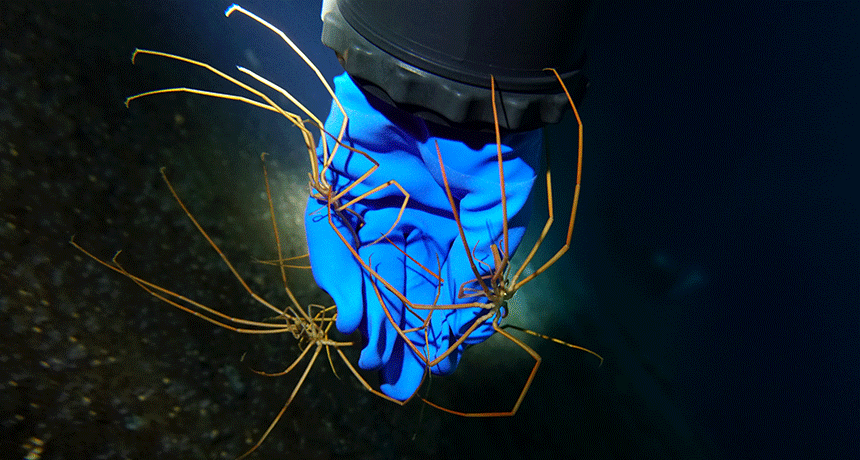
Giant Antarctic sea spiders breathe really strangely
Sea spiders have many bizarre body systems. Scientists have now discovered that they breathe and circulate oxygen in a way never seen before.
- Ecosystems
Cool Jobs: Science deep beneath the waves
These scientists probe the sea’s depths, its strange inhabitants, the movement of water and how life evolves in extremes.
- Animals
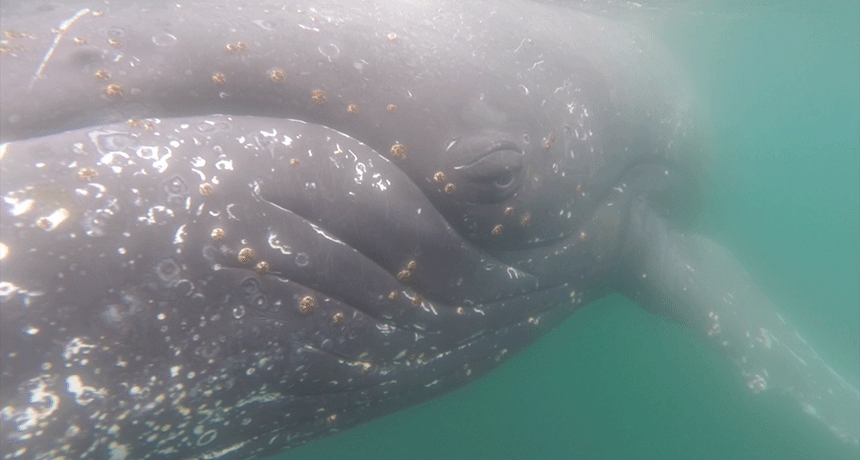
Humpbacks flap their flippers like underwater birds
Surprising new video shows humpback whales flapping their front flippers to move their massive bodies toward their prey.
- Oceans
How the Arctic Ocean became salty
The Arctic Ocean was once a huge freshwater lake, separated from the Atlantic by a ridge of land. Scientists explore how salt water overtook it.
- Animals
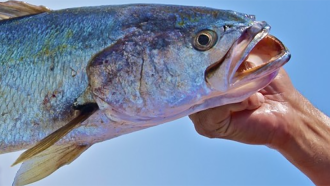
Listening to fish love songs can predict their numbers
Gulf corvinas croak for mates while in groups of millions. By listening to their undersea serenades, scientists may be able to estimate how many are out there.
- Animals
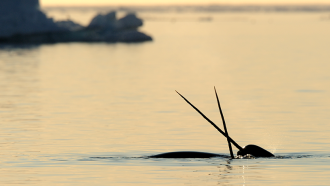
Beware the tap of the narwhal’s tusk
A new video shows narwhals using their tusks to tap fish before eating them. They might be stunning their prey — or just playing with their food.
- Ecosystems
Camera catches new fish species — as it’s eaten!
A video of a lionfish eating a new-found species of fish raises concerns about the threat lionfish pose to undiscovered species in deep reefs.
- Climate
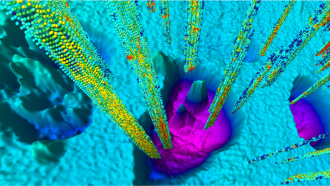
Ancient Arctic ‘gas’ melt triggered enormous seafloor explosions
Methane explosions 12,000 years ago left huge craters in bedrock on the Arctic seafloor. Scientists worry more could be on the way today as Earth’s ice sheets melt.
- Life
Weird mega-worm found to have odd diet
Giant shipworms have bacteria in their gills that produce food for them. This has made their digestive organs shrink from lack of use.
- Earth
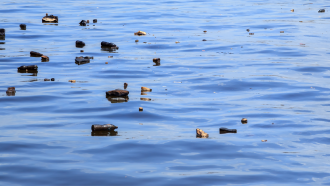
Plastic trash rides ocean currents to the Arctic
Ocean currents can carry plastic trash far from the cities that shed it. Some plastic debris has made it all of the way to the Arctic Ocean, new data show.