Oceans
- Environment
Legos could last a disturbingly long time in the ocean
By looking at toys washed up on beaches, scientists have estimated how long it takes hard plastics to break down in the oceans. And it’s a long time.
- Climate
Study appears to rule out volcanic burps as causing dino die-offs
New data on when massive volcanic eruptions happened do not match when the dinosaur mass extinction took place.
- Animals
Healthy coral reef sounds attract fish searching for a home
Playing the sounds of a healthy reef can help attract fish to dying corals, helping rebuild their community.
- Animals
Why some whales become giants and others are only big
Being big helps whales access more food. But just how big a whale can get is influenced by whether it hunts or filter-feeds.
- Animals
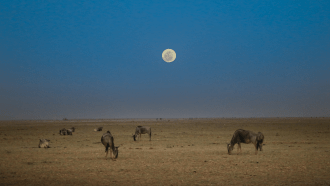
The moon has power over animals
The moon is known for its tidal effects. But its light also can exert a powerful influence on animals large and small.
- Earth
Cool Job: This ecologist is studying an ocean of changes
A young marine ecologist is studying how warming is changing the oceans and what people can do to minimize the harm.
- Climate
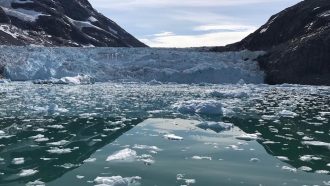
Report sums up climate’s already dramatic impact on oceans and ice
Melting glaciers, stronger storms and acidifying oceans are signs of climate change today, a new IPCC report says. Putting a brake on greenhouse emissions could limit how dire things get.
- Earth
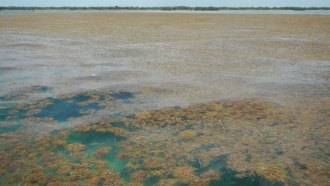
Record seaweed belt spanned from Africa to Gulf of Mexico
Blooms of Sargassum seaweed used to form at the mouth of the Amazon River each year. In 2011, they mushroomed in size to where they now span from South America across to Africa.
- Earth
Ocean energy could be the wave of the future
Energy systems that turn the power of ocean waves into electrical energy could be on the horizon — or pumping away near the sea floor.
- Climate
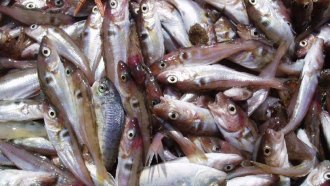
Oceans’ fever means fewer fish
Warming oceans have caused fish populations to plummet since 1930. In some regions, the number of fish that can be caught without depleting populations has dropped by more than one-third.
- Chemistry
Shell shocked: Emerging impacts of our acidifying seas
As Earth’s climate changes, the oceans are becoming more acidic. Here’s how oysters and reefs are responding to their acidifying bath.
- Animals
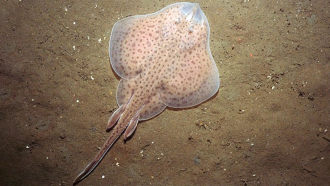
Ocean acidification may ground swimming skates
Fish might seem immune to acidic waters, but check their skeletons. They can be vulnerable and eventually alter how fish behave.