Oceans
- Animals
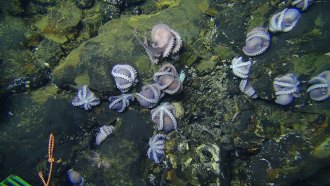
Deep-sea expedition led researchers to doomed octopus nursery
The ill-fated octopods may be a sign that a healthy population is hiding nearby.
- Ecosystems
Small swimmers may play huge role in churning the seas
Hoards of migrating shrimp and krill can cause large-scale water movements in the ocean, a new study suggests.
- Animals
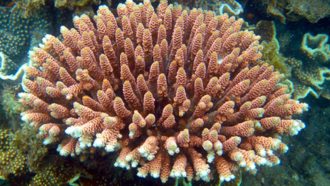
Ocean heat waves are on the rise — and killing coral
Ocean heat waves are becoming hotter and more frequent. And one can be blamed for the 2016 coral deaths on the Great Barrier Reef.
- Earth
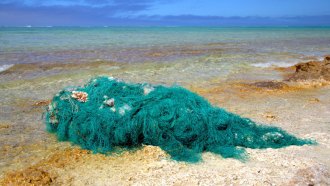
Pacific garbage patch may be 16 times bigger than thought
The giant ‘garbage patch’ that floats between Hawaii and California weighs at least 79,000 tons, a new estimate suggests.
- Oceans
More than half the world’s ocean area is actively fished
Fleets harvest fish from 55 percent of the world’s total ocean area. Just a handful of countries play an outsized role fishing the open ocean, far from coasts.
- Animals
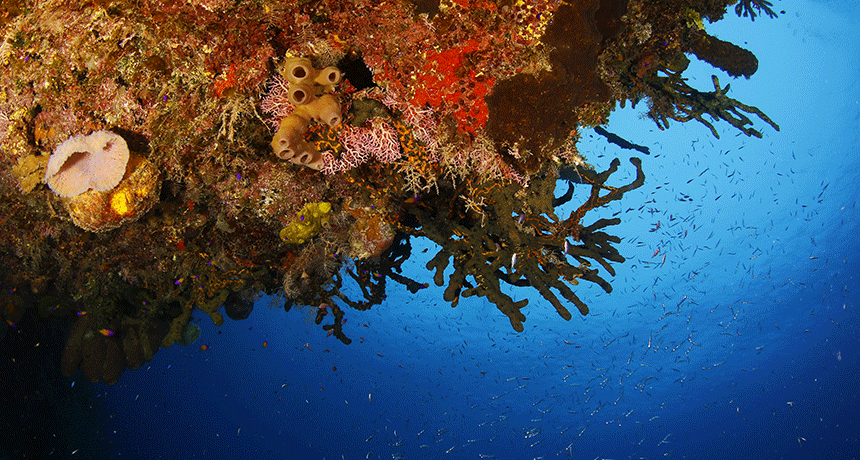
Exploring the mysteries of Cuba’s coral reefs
Researchers are studying the mysterious lives of creatures in and near Cuba’s coral reefs. What they learn could help protect ocean life globally.
- Animals
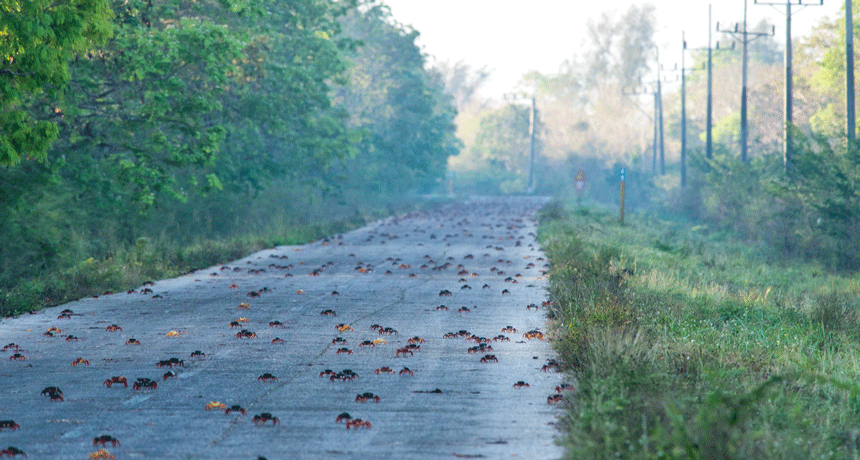
Migrating crabs take their eggs to the sea
Cuba’s colorful land crabs connect swamp and sea with their yearly mass migrations. Protecting their routes can help other animals too.
- Animals
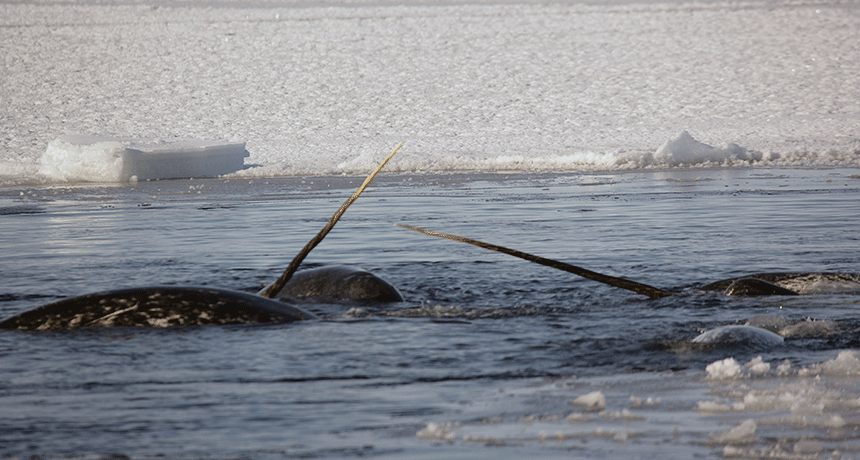
Escaping narwhals can freeze and flee at the same time
Narwhals’ heart rates plummet while diving quickly to get away from people. The combination may stress the whales as human activity increases in the Arctic.
- Climate
Is weather control a dream or nightmare?
Weather control is largely fiction for now, although people are unintentionally changing their weather. And that might not be a good thing.
- Earth
Expedition finds South Pacific plastic patch bigger than India
A giant, floating ‘garbage patch’ in the South Pacific off Chile’s coast is mostly tiny bits of plastic.
- Climate
Here’s why Irma caused some coastal water to temporarily go missing
The first sign of an impending storm surge — and serious danger — may be the sudden, wholesale retreat of water from coastal beaches.
- Animals
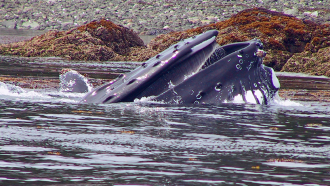
Whales feast when hatcheries release salmon
Humpback whales are visiting sites where hatcheries release juvenile salmon in Alaska. It’s a dining bonanza for the huge whales.