Oceans
- Animals
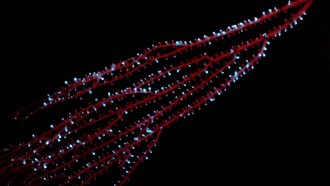
Corals may have been the first life forms to glow in the dark
Ancestors of modern octocorals may have lit up the deep sea as far back as 540 million years ago.
- Oceans
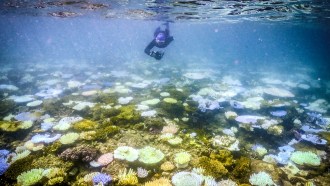
The seas’ record-breaking hot streak may bring unwelcome changes
Off-the-charts warming could fire up more hurricanes, intensify coral bleaching and accelerate the melting of Antarctic sea ice.
- Oceans
Analyze This: Climate change may worsen the spread of ocean noise
Some parts of the ocean may become five times as loud in the future.
- Ecosystems
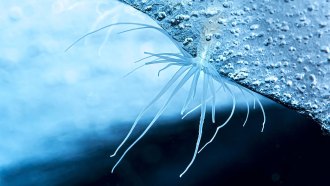
A weird upside-down world lurks beneath Antarctica’s ice
A vast swath of ocean surrounds Antarctica, hidden under the ice. Here, strange creatures burrow into the dark underbelly of a floating glacier.
- Animals
Swimming in schools lets fish save lots of energy
Each tail flap uses less than half as much energy than swimming solo, making it easier for fish to catch their breath after an underwater sprint.
- Life
Scientists Say: Ichnology
This field of science looks to understand life — past and present — by studying how organisms altered their surroundings.
- Climate
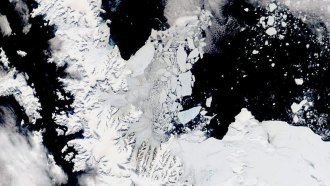
Warmer seas trigger skyrocketing ice loss in 3 Antarctic glaciers
Destabilized by waves and vanishing sea ice, one of the glaciers lost 25 kilometers (15.5 miles) of ice in 16 months — a possible hint of worse to come.
- Tech
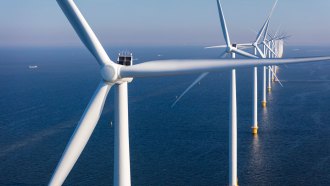
Offshore wind farms could do far more than just make clean power
Offshore wind farms cost more than onshore ones. But their ability to make ‘green’ hydrogen and capture carbon dioxide could help this wind power pay off.
- Ecosystems
Restoring giant underwater forests, one blade at a time
Giant kelp are at risk due to climate change and human activities. In New Zealand, a community effort is rebuilding these underwater algal forests.
- Oceans
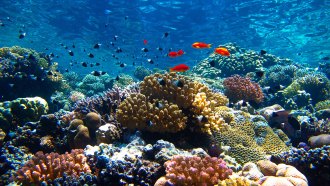
Shading corals during midday heat can limit bleaching
Shading coral reefs during the sunniest part of the day may help corals survive marine heat waves.
- Oceans
Explainer: Why are so many hurricanes strengthening really fast?
This dangerous trend appears relatively new — and growing. Studies also have begun linking it to our warming world.
- Animals
Adult corals have been frozen and revived for the first time
Living corals could be frozen for safekeeping. Scientists could later revive them to restore reef ecosystems that are withering in warming seas.