Physics
- Physics
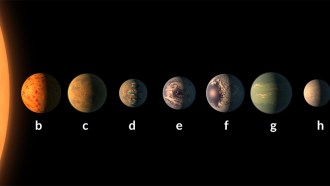
New solar system found to have 7 Earth-size planets
A neighboring star system hosts seven Earth-like planets. Especially surprising: Three of those planets appear to reside in a zone that could support life as we know it.
- Genetics
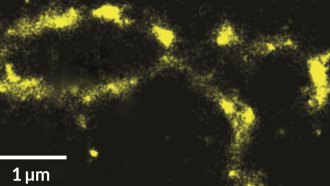
How to view tiny parts of DNA? Make them ‘blink’
A new technique can image nanoscale structures in cells without hurting them. No dyes needed. All you have to do is stimulate them with the right color of light.
- Physics
Strange X-rays point to possible ‘dark’ matter
Scientists have been looking for “dark” matter. It’s supposed to make up most of the universe — but it’s also invisible. X-rays may now point to where some of this weird stuff is.
- Physics
How to chill an object by sending its heat into space
Researchers have designed a device that can cool an object by radiating its energy into outer space. Think of it as a solar panel in reverse.
- Animals
Warm petals may attract chilly bees
Dark-purple violet petals are warmer than a light-purple variant. And and that warmth might explain their attraction to potentially chilly bees.
- Chemistry
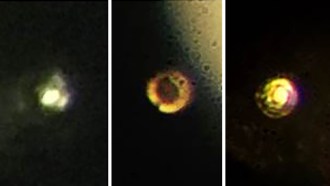
Scientists claim to have turned hydrogen into a metal
Most people know hydrogen as a gas. But under high pressure, scientists now think they’ve converted it into a reflective metal. Not everyone is convinced.
- Physics
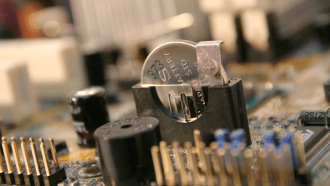
Explainer: How batteries and capacitors differ
Both batteries and capacitors can power electronic devices. Each, however, has different properties which may provide benefits — or limitations.
- Computing
LEDs offer new way to kill germs in water
Growing ultraviolet-light-emitting diodes on thin, flexible sheets of metal holds promise for water disinfection and other applications.
- Physics
Weird physics warps nearby star’s light
Scientists have observed a bizarre effect of quantum physics in light coming from a nearby neutron star.
- Computing
Wind power gets downsized — but in a good way
Two young scientists have developed ways to tap into wind power on a small scale.
- Materials Science
3-D printers offer better way to make some magnets
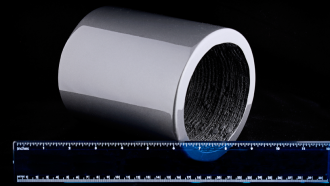
3-D printers produced magnets as strong as conventional ones with less material wasted.
- Computing
Star Trek technology becomes more science than fiction
On Star Trek, the characters used devices that seemed wild, futuristic and impossible. But those sci-fi gadgets are inspiring real-world, useful inventions.