Physics
- Health & Medicine
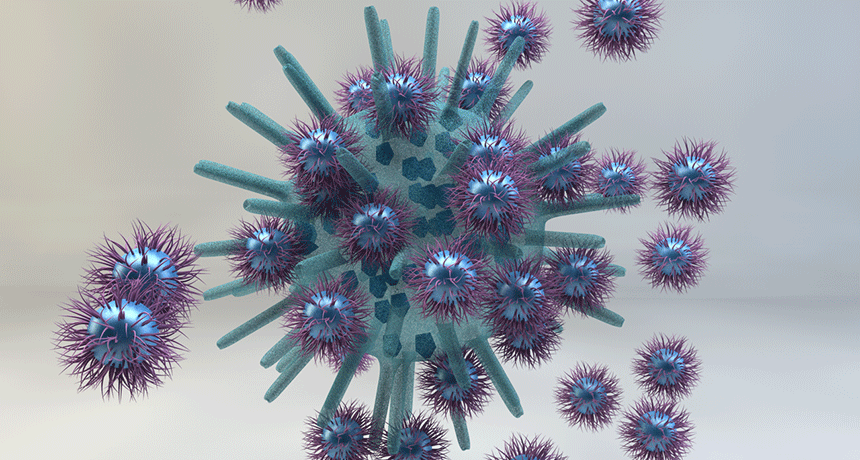
Hairy nanoparticles put viruses in a deadly embrace
Current drugs can’t stop viruses for good. But newly developed hairy nanoparticles just might. They surround and put pressure on the viruses, which ultimately destroys them.
- Physics
In bobsledding, what the toes do can affect who gets the gold
South Korean scientists have been developing shoes that could give their national bobsled team an advantage at the Olympics.
- Agriculture
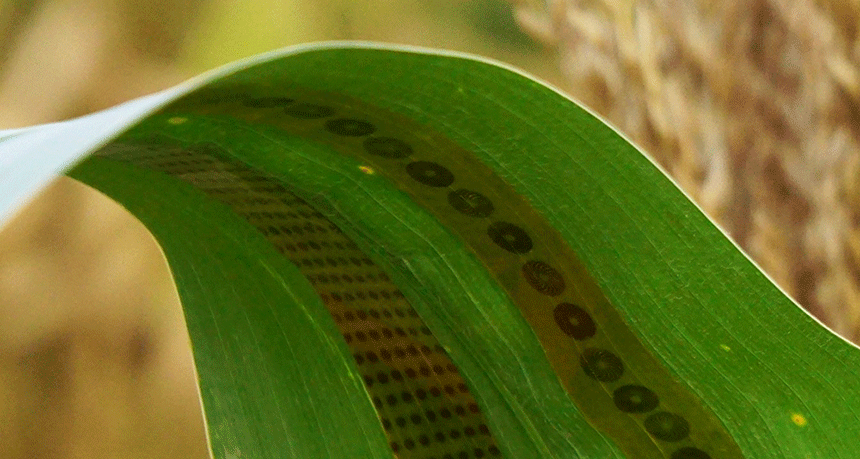
New ‘tattoo’ could lead to drought-tolerant crops
Scientists create stick-on 'plant tattoo.' It measures how efficiently crops use water, a key to better identifying breeding stock for more drought-resistant crops.
- Physics
This hydropower harnesses energy one water drop at a time
A single drop of water sliding across a surface can light up 15 LEDs. This charging by friction is due to what’s known as the triboelectric effect.
- Earth
Pollution from new technologies threatens astronomy
Pollution from new technologies will make it harder to observe the night sky, astronomers say.
- Archaeology
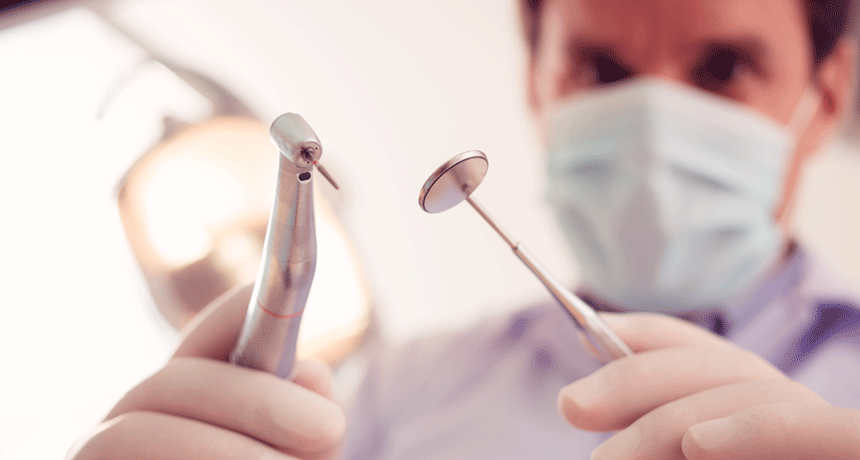
Cool Jobs: Drilling into the secrets of teeth
A bioengineer, a biologist and an archaeologist all study teeth to explore new materials, to grow better tissues and to learn more about prehistoric humans.
- Animals
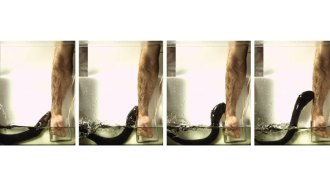
Analyze This: Electric eels’ zaps are more powerful than a TASER
Shocking! A biologist reached his hand into a fish tank and let an electric eel zap him. It let him measure precisely how strong a current it could unleash to defend itself.
- Physics
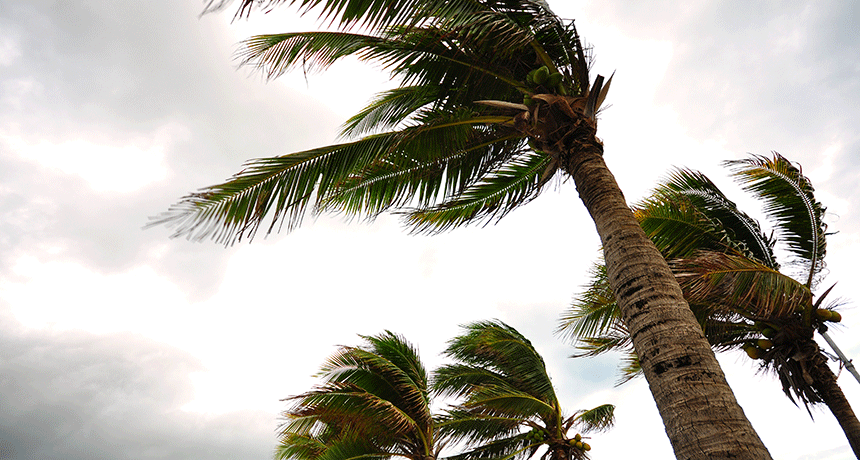
Probing the power of the winds
Young researchers have been exploring the energy in wind to see how best they might tame it, harness it and understand its role in shaping the natural world.
- Climate
Explainer: Winds and where they come from
Temperature and pressure are critical factors affecting why the wind blows where it does. Understanding the nature of wind can teach us a lot about weather.
- Physics
Major gravity experiment recreated aboard a satellite
A spacecraft was used to “drop” two objects and test their rate of fall. The new, super-precise findings confirm objects will fall at the same rate (in the absence of air resistance) — and that when it comes defining the effects of gravity, Einstein got it right.
- Earth
Water waves can have literally seismic impacts
Certain types of seismic waves are generated by waves on large lakes. These ground waves could be used to map fault zones or to monitor ice cover in polar lakes.
- Earth
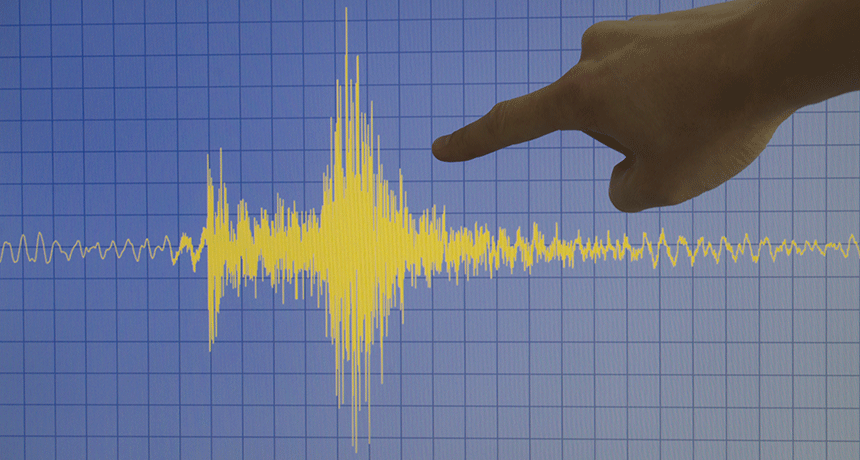
Explainer: Seismic waves come in different ‘flavors’
Earthquakes generate several different types of seismic waves, some more damaging than others