Earth’s crust under Africa is thinning in a way never seen before
The continent won’t split anytime soon. But someday, eastern Africa may become its own landmass
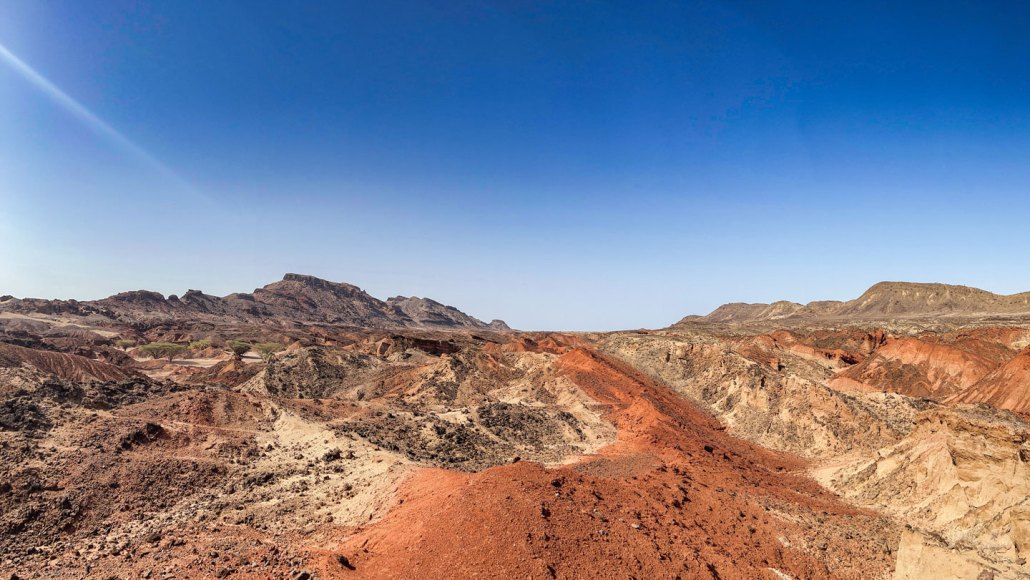
The Turkana Rift Zone (shown) in Kenya and Ethiopia has reached a key point in the process of continental breakup.
C. Rowan
This is a human-written story voiced by AI. Got feedback? Take our survey . (See our AI policy here .)
Sometimes, pieces of Earth’s outer layer pull apart like taffy. Right now, part of Africa is being stretched to nearly the breaking point.
The giant jigsaw pieces of Earth’s outer layer are called tectonic plates. Scientists knew that the plates beneath eastern Africa are being tugged apart. The crust there is already thin and weak in places. But new data show that one region — the Turkana Rift Zone — is undergoing “necking.” It’s a key part in the process of a continent breaking up and has never been seen before.
The new observations hint that this part of East Africa may be closer to splitting — and doing so more rapidly — than previously thought. Researchers shared their discovery April 23 in Nature Communications.
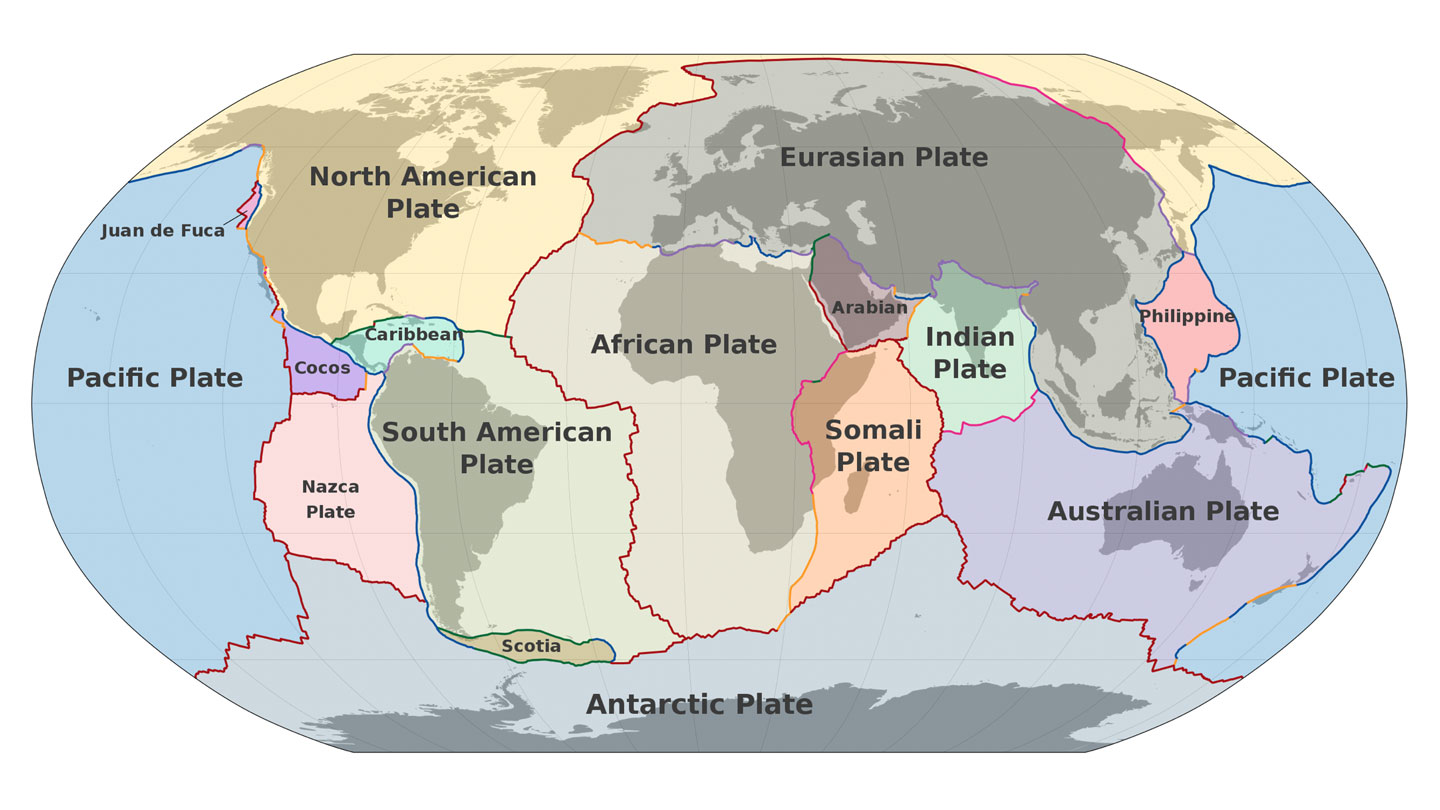
The Turkana Rift Zone straddles the countries of Kenya and Ethiopia on Africa’s eastern edge. The region is best known for its wealth of fossils of our human ancestors. But rocks beneath this rift zone hold their own secrets.
Christian Rowan studies Earth science at Columbia University in New York City. He and his teammates looked at past data on the Turkana Rift Zone. They included sound-based measurements that had been taken to search for oil and gas. Sending sound waves into the planet and watching how they bounce around can create images of what’s below, Rowan explains. “It’s almost like an ultrasound of the upper crust.”
The point of no return
The team focused on a layer of metamorphic rocks beneath the planet’s surface. Those old, hard rocks form the crust under Earth’s continents. Rowan’s group traced those crustal rocks down to Earth’s mantle. They found one region where the crust was just under 13 kilometers (8 miles) thick.
That was a big surprise, Rowan says. The crust is usually about 30 kilometers thick. (That’s almost 19 miles.)
Earth’s crust had clearly been stretched a lot in the Turkana Rift Zone. That matched what scientists would expect in the necking stage of continental breakup.
“It’s kind of the point of no return,” says Sascha Brune. He works at the GFZ Helmholtz Centre for Geosciences in Potsdam, Germany, and did not take part in the research. He does, however, study how Earth’s interior and surface evolve over time.
Scientists have seen the aftermath of necking between tectonic plates elsewhere on Earth. But this process has never been observed in action. That’s what makes the Turkana Rift Zone so special, Brune says. “This is the place to go.”
Past and future stretching
Rowan’s group wondered how long the Turkana Rift Zone has been in this breakup stage. To find out, they looked at a layer of volcanic rock that had once been at Earth’s surface. Over time, it has since been pulled down as the crust here has stretched apart and sunk in the middle. It shows the rift has been necking for roughly 4 million years.
The Turkana Rift Zone’s trove of fossils may exist due to that stretching and dipping. Sediments, some containing fossils, naturally build up in low-lying regions.
If the Turkana Rift Zone continues necking, it could enter the final phase of continental breakup. It’s a stage known as oceanization.
At that point, Earth’s crust tears, and the mantle beneath punches through. Magma from the mantle then oozes across Earth’s surface. Eventually, it cools and forms new oceanic crust.
Oceanic crust is denser than continental crust. So it tends to sink and collect water. (Hence why this dense crust is found beneath Earth’s oceans.) Water will now flow into the lower-lying parts. Over millions of years, an ocean could develop that would formally split off part of eastern Africa, creating a distinct landmass, Rowan says. “Eventually, eastern Africa will break apart.”
Do you have a science question? We can help!
Submit your question here, and we might answer it an upcoming issue of Science News Explores