All Stories
-
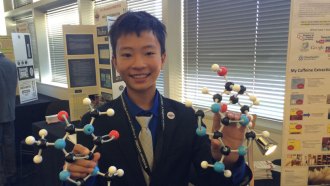
Bring kids to the Broadcom MASTERS with a mini grant
Get kids inspired to try their own science projects by bringing them to the Broadcom MASTERS project showcase.
- Animals
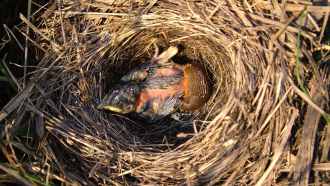
Giant slugs snack on baby birds
When they accidentally run into bird nests sitting on the ground, some slugs help themselves to a free, easy meal of bird chicks.
- Health & Medicine
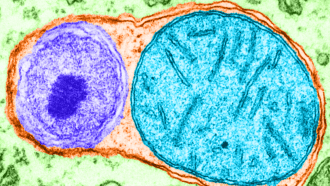
Nobel awarded for unveiling how cells recycle their trash
Cell biologist Yoshinori Ohsumi has won the 2016 Nobel Prize for physiology or medicine for discovering how cells take care of housekeeping.
- Animals
Mini pterosaur from the age of flying giants
Not all pterosaurs flying the Cretaceous skies had a wingspan as wide as a school bus is long. Some, new fossils show, were smaller than modern eagles.
- Plants
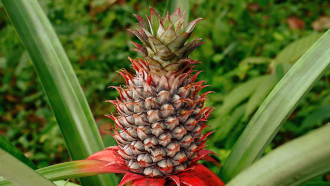
Scientists Say: Bromeliad
Bromeliads are plants with long spiky leaves. They are common houseplants, and we even see one in the grocery store — the pineapple.
- Science & Society
Women in ecology, from forests to the sea
These women study everything from the fish in the sea to the bugs on the land, and how all parts of an ecosystem come together.
- Planets
Smash hit? Comet mission comes to an end
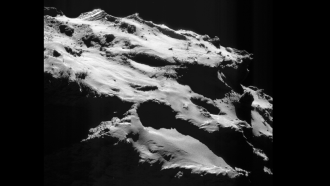
Rosetta’s 12-year mission to a comet has come to a bittersweet end. The orbiter turned off its cameras, settled down on its rocky home and entered a deep and lasting sleep.
- Physics
Explainer: How heat moves
Energy moves through the universe one of three ways: conduction, convection and radiation. Only radiation can occur through empty space.
- Tech
Hot, hot, hot? New fabric could help you stay cool
A plastic fabric can let body heat escape efficiently, if the material is filled with tiny bubbles of just the right size
- Health & Medicine
Why trans fats became a food villain
Trans fats are now known as a dietary villain. But in the beginning, scientists thought they were better than butter.
- Health & Medicine
Measles in the Americas: Going, going — gone!
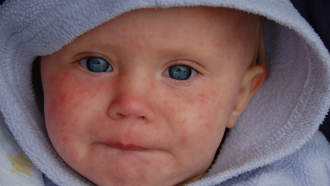
The Americas have at last shed a major childhood scourge: measles. The viral infection used to kill hundreds of children each year. Now the hemisphere only sees cases spread by travelers.
- Health & Medicine
Zebra finches can ‘drink’ water from their own fat
When water is scarce, thirsty zebra finches can produce their own water. They do it by breaking down their body fat.