All Stories
- Computing
Explainer: What is a computer model?
Computer models use data, math and computer instructions to predict events in the real world.
- Earth
Plastics at sea create raft of problems
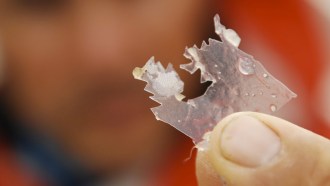
About 5.25 trillion pieces of plastic float in the world's oceans, a new study finds. That's a problem. This 269,000 tons of plastic can choke, entangle and poison a wide variety of sea creatures.
- Animals
Scientists say: Hibernaculum
This week’s word is hibernaculum, the word scientists use to describe the place where an animal goes to hibernate.
- Earth
Dino double whammy
Most scientists think an asteroid helped kill off the dinosaurs. But new calculations suggest that asteroid might have gotten some help from a long series of volcanic eruptions in what is now India.
- Climate
Thunderstorms can generate powerful radiation
Thunderstorms don’t just hurl lightning bolts. Some churn out high-energy radiation that can be seen by spacecraft. This radiation offers scientists a glimpse of the inner workings of thunderclouds.
- Animals
Electric eels get on their prey’s nerves
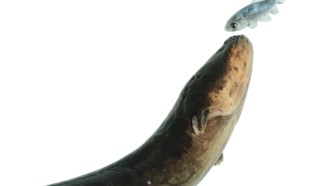
Electric eels wield remote control over their prey’s muscle movements. They do this by zapping their nervous system. Experiments suggest the creatures use these paralyzing bursts of energy to hunt, too.
- Chemistry
Asteroid impacts may have sparked life on Earth
The energy produced by comets and asteroids that collide with Earth may have been strong enough to start life.
- Physics
Picture This: Christmas from space
Satellite images show that cities brighten during holidays. Charting such changes can point to factors affecting energy use and contributing to global warming.
- Animals
A nervy strategy for transplants
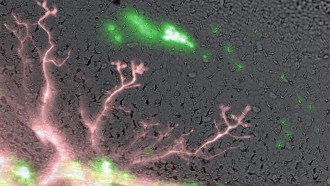
Adjusting the electric charges in cells helped a transplanted eye reach out to its new host. The eye grew cells, which help transmit signals to other cells.
- Earth
Clouds may be dining cars for some germs
Scientists had known microbes could hitchhike across and between continents on clouds. New research now shows that some germs don’t just treat clouds as a high flying jet, but also as a cafeteria.
- Animals
Spidey sense: Eight-legged pollution monitors
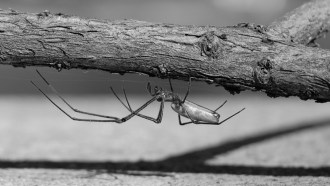
Spiders that prey on aquatic insects can serve as sentinels that naturally monitor banned chemicals that still pollute many rivers across the United States.
-
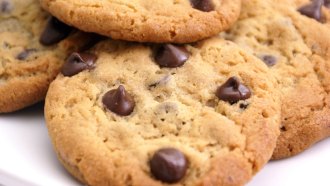
Cookie Science 11: That’s the way the cookie crumbles
I made cookies and had people taste them. Now it’s time to look at the results of my data.