All Stories
- Physics
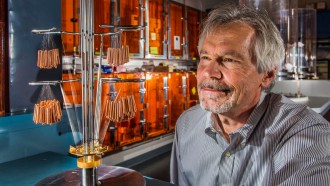
Machine simulates the sun’s core
A machine heats iron atoms to temperatures that match the interior of the sun. This has helped solve a solar mystery.
- Animals
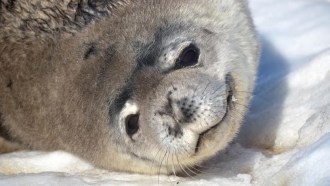
Resilient hearts for deep-sea divers
How do aquatic mammals have enough energy to hunt prey while steeply dropping their heart rate to stay underwater? A new study of dolphins and seals provides clues.
- Fossils
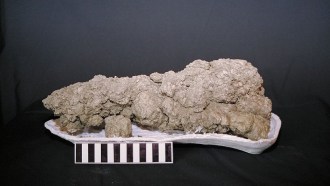
Scientists Say: Coprolite
Every living thing and signs of its existence — right down to their wastes — can fossilize under the right conditions. When poop fossilizes, it gets a special name.
- Health & Medicine
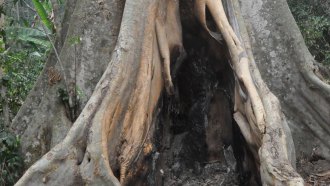
Ongoing Ebola outbreak traced to hollow tree
Scientists suspect the current Ebola outbreak started with bats that lived in a hollow tree in Guinea. The outbreak's first victim, a two-year-old boy, often played in the tree.
- Health & Medicine
New germ fighter turns up in dirt
Scientists have found a compound in soil that can kill the microbes that cause anthrax, tuberculosis and other diseases.
- Earth
Tides may regularly swamp many U.S. cities
As sea levels rise, many cities will begin to experience frequent and extensive flooding at high tides. In some areas — even Washington, D.C. — such flooding could become a weekly headache.
- Chemistry
Air pollution can mess with our DNA
New research suggests a type of air pollution — diesel fumes — can affect your health. It inappropriately switches some genes on, while turning off others.
-
Finalists named for major teen competition in Washington
Forty teen researchers have been selected to compete in the Intel Science Talent Search. The event — a program of Society for Science & the Public — will take place in Washington, D.C., March 5 to11.
-
Make 2015 a year of science
Add some science to your new year. Every month has at least one event with a STEM —science, technology, engineering or math — theme. Mark your calendars to learn and celebrate.
- Health & Medicine
A whale of a lifespan
Bowhead whales can live more than 200 years. The secret to such longevity may lie in the Arctic species’ genes. Scientists recently mapped the whale’s genetic code. They found features that protect the marine mammal against cancer and other problems related to old age.
- Life
Scientists say: Biomagnify
Chemicals in the environment can build up in an animal’s tissues. Predators who feed on these animals can accumulate more and more of the pollutants, a process known as biomagnification.
- Health & Medicine
Cold noses nurture colds
The common cold infects the nose. Scientists long have known the virus grows better there, but not why. Now, a study finds the body’s defenses simply don’t work as well under the nose’s slightly cooler temperatures.