All Stories
- Animals
Virus blamed in starfish die-off
A virus may explains the deaths of millions of starfish along the Pacific Coast of North America. The deaths affect 20 species. Some of the stricken animals appear to melt into puddles of slime.
-
Give the gift of science without breaking the bank
Many gifts for science lovers can get pricey. But there are lots of ways to share a love of science without having to spend too much.
- Environment
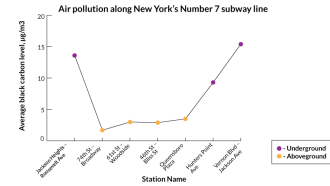
Soot fouls subway stations — and maybe lungs
Soot levels in stations for New York City’s electric subway trains exceed the levels outdoors, a new study finds. The underground source of this black carbon: maintenance trains that share the tracks with subway trains. Breathing soot can aggravate asthma and other lung disease.
- Brain
Nano air pollutants strike a blow to the brain
Most people think that air pollution poses the biggest risk to our lungs. In fact, pollution hits the brain too, sometimes by traveling a direct route — through our noses. These tiny pollutants can harm IQ and more.
- Brain
Banned drug reduces brain communication
Illegal drugs called “bath salts” can reduce communications among different brain regions. New research, done in rats, may explain the violent and unpredictable behavior seen in some people using these drugs.
- Brain
Scents may affect how appealing tobacco is
Menthol’s effects on the brain may make tobacco more addicting. In contrast, foul odors might help smokers quit. Two new studies show how.
- Physics
Light robs galaxy of star-making gas
Stars form from clouds of hydrogen and other gases. Astronomers have found the light from newborn stars can drive off that gas. That action can starve a galaxy of the ingredients needed to make more stars.
- Fossils
Dinos: Some were ‘marathoners’
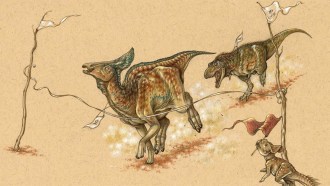
The arrangement of major muscles in a duck-billed dinosaur’s legs would have helped them outrun predators such as T. rex, a new analysis suggests.
- Animals
Tar pit clues provide ice age news
New analyses of insects and mammals trapped in the La Brea Tar Pits point to climate surprises during the last ice age.
-
Book review: The Universe Verse
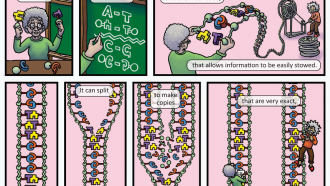
Reading about science can get a bit boring. A new comic book will stop you from snoring. The book combines comics with poetry and rhyme, to help you learn science and have a good time.
- Animals
Tiny — but mighty — food-cleanup crews
Discarded food wastes can turn city spaces into food courts for disease-carrying rats and pigeons. But a new study shows tiny cleanup crews — especially pavement ants — are doing their best to eliminate such wastes. This, in turn, makes cities less attractive to bigger pests.
- Tech
Make your own mini hovercraft
Hovercraft aren’t just the cars of the future. You can make your own with just a few household items.