All Stories
- Animals
Climate change brings new neighborhood birds
Climate change has made winters a little bit warmer. Many bird species are now wintering a lot farther north than they did a few decades ago, a new study finds.
- Brain
Magnets may make helmets safer
Magnets in sports helmets could repel players’ heads as they move toward a collision. This should reduce the risk of the hard hits that lead to concussions.
- Earth
Earth’s most common mineral finally gets a name
A half-century search for samples of Earth’s most abundant mineral has ended. This stuff forms only deep in the rocky layer surrounding our planet’s core. But scientists found bits of it in a meteorite that fell in 1879. And finally, this bridgmanite gets a name.
- Brain
ADHD linked to air pollutants
Air pollution from cars and industries can spew pollutants known as PAHs. A new study shows children have a greater risk of ADHD if their mothers inhaled a lot of PAHs while pregnant.
-
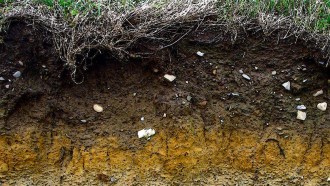
Dig dirt? It’s World Soil Day
The food we eat, the water we drink and the air we breathe — all are influenced by the ground beneath our feet. On World Soil Day, take a moment to learn about the importance of good old dirt.
- Animals
Crabs play defense, save corals
In 2008, an outbreak of large starfish killed off much of a coral reef. But some patches were spared. New data point to why: Mini crabs had fended off the big attackers.
- Genetics
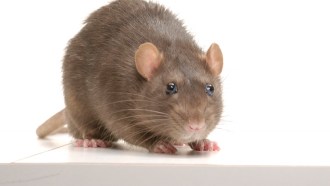
Why animals often ‘stand in’ for people
Rats, birds, fish — even flies and worms — can stand in for people in laboratory testing. This allows scientists to safely evaluate harmful chemicals as well as to identify and test potential new drugs. But such tests will never be a foolproof gauge of effects in people.
- Chemistry
Thirdhand smoke poses lingering danger
The pollutants in cigarette smoke can linger indoors for hours. Indeed, they may pose risks long after any visible smoke is gone.
-
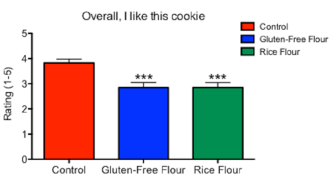
Cookie Science 10: Finding the cookie difference
To determine whether people ranked my cookies differently, I need to compare how much the groups of rankings differed. I can do this with a statistical test.
- Animals
Bat signals jammed
Mexican free-tailed bats can jam each other’s signals while hunting at night. The interference makes snagging an insect supper even more competitive for the flying mammals.
- Genetics
How ‘bugs’ in our bellies impact our health
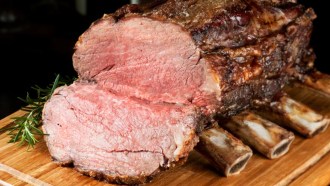
Gut bacteria can play a powerful role in human health, new studies show. In one, bacteria turned a nutrient in red meat into a chemical that boosts the risk of a heart attack. Another study shows that our genes play a role in whether we are fat or thin, probably by affecting which bacteria prefer to live in our intestines.
- Climate
The worst drought in 1,000 years
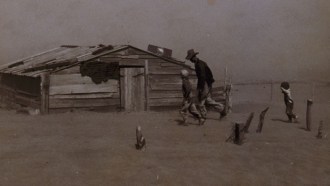
The 1934 drought, during a period in American history known as the Dust Bowl, was the worst in a millennium, a new study finds. While the drought had natural origins, human activities made it worse.