All Stories
- Climate
The world is aiming for ‘net zero’ emissions of greenhouse gases
Nations are charting how they might ‘zero’ out their releases of climate-warming gases. Success might greatly lower the risks of climate catastrophes.
- Animals
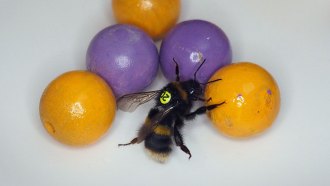
Bumblebees go out of their way to play
Young bumblebees roll wooden balls and go out of their way to do so. This suggests they play like other animals do.
- Fossils
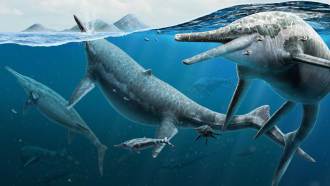
An ancient ichthyosaur graveyard may have been a breeding ground
Some 230 million years ago, huge dolphin-like reptiles appear to have gathered to breed in safe waters, just as many whales do today.
- Humans
When it comes to dance, it’s all about the bass
During a concert, people danced more when they were bathed in sounds that were too low for their ears to hear.
- Animals
Scientists Say: Metamorphosis
Animals that go through metamorphosis look very different as adults than they did as kids.
- Brain
Some screen time may aid kids’ recovery from concussions
A few hours a day on digital devices may actually aid recovery by connecting kids with friends and giving their brains some stimulation.
- Tech
Can a robot ever become your friend?
Social robots can teach, help and keep people company. What would it take for machines to form real friendships with people? And do we even want that?
- Animals
This parasite makes wolves more likely to become leaders
Gray wolves infected with Toxoplasma gondii make riskier decisions. This makes them more likely to become pack leaders or strike out on their own.
- Physics
Let’s learn about the quantum realm
On the smallest scales, the universe behaves in some pretty strange ways.
- Environment
Gas stoves can spew lots of pollution, even when they’re turned off
A new study finds they can leak benzene and other harmful chemicals into homes, sometimes at very high levels.
- Microbes
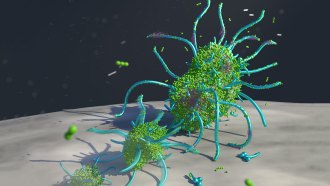
Mouth-crawling superbugs cause severe cavities in kids
In kids with severe tooth decay, fungi and bacteria team up to create superorganisms that can crawl across teeth.
- Environment
For a better brick, just add poop
Sewage sludge. Cow dung. They’re not just waste — scientists are finding uses for processed poop in construction materials.