All Stories
- Earth
Analyze This: Salt may quash lightning over the sea
Bits of airborne salt may help raindrops form, removing water from clouds before it can freeze as part of the process that makes lightning.
- Physics
How salty does the sea have to be for an egg to float?
Some objects float on top of the ocean, and other objects sink to the bottom. Why? Try this eggs-periment to find out!
- Physics
Scientists Say: Fusion
Nuclear fusion is the physics that powers the sun and could someday provide abundant clean energy on Earth.
- Tech
Insect-inspired drones work together to 3-D print structures
For the first time, flying drones have 3-D printed structures. In the future, such drones might be able to build in hard-to-reach places.
- Climate
Green energy is cheaper than fossil fuels, a new study finds
Switching over to clean, renewable power — and away from fossil fuels — could save trillions of dollars by 2050, a new study finds.
- Climate
Explainer: What is decarbonization?
Lowering carbon levels in our atmosphere to stabilize the climate may start with switching from fossil fuels to greener energy sources.
- Chemistry
Explainer: All about carbon dioxide
Animals and other life on Earth exhale carbon dioxide, which plants use for photosynthesis. But too much of this gas can perturb Earth’s climate.
- Archaeology
Neandertals were a lot like our human ancestors
From toolmaking to healthcare, new research finds that Neandertals shared many cultural and social similarities with our human ancestors.
- Fossils
Armored dinos may have used tail clubs to bash each other
Broken spikes on a fossil dino’s sides are consistent with the armored beast having received a mighty blow from another ankylosaur’s tail club.
- Science & Society
Let’s learn about why schools should start later
The American Academy of Pediatrics recommends that middle and high schools start no earlier than 8:30 a.m.
- Tech
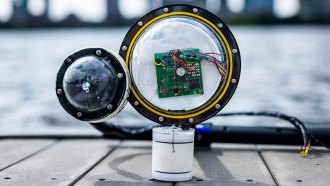
Underwater cameras get a new power source — sound!
Needing no batteries, a new digital camera can run almost continuously to offer new, deeper insights into the ocean world.
- Physics
Scientists Say: Fission
Nuclear fission is the process of splitting atoms apart to release huge amounts of energy.