Scientists Say
A weekly word defined, in a sentence and in context. Click here to find the alphabetized list.
- Earth
Scientists Say: Avulsion
As rivers seek out easier routes to the sea, path reroutes can transform our world. This is ‘avulsion’ refers to in geology. In medicine, the word can describe injuries.
- Earth
Scientists Say: Lava bomb
An explosive volcanic eruption can shoot a blob of lava into the air. As that blob travels, it cools, creating a dangerous lava bomb.
- Life
Scientists Say: Chimera
What does it mean to be an individual? The genetic mashups called chimeras might challenge your assumptions.
- Planets
Scientists Say: Regolith
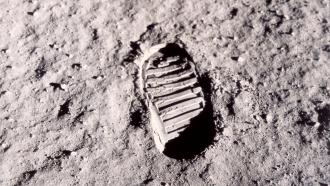
This sandlike dust blankets planets, asteroids and other rocky surfaces of our solar system, including our own planet.
- Brain
Scientists Say: Aphantasia
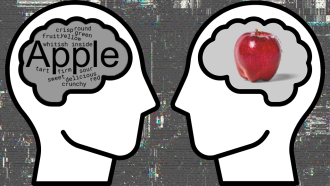
Not everyone has a “mind’s eye,” and that’s OK. Some people recall memories and process information in different ways altogether.
- Earth
Scientists Say: Frost Quake
When wet soil abruptly freezes, it creates high pressure underground. When the pressure releases, it can trigger a mini-earthquake called a frost quake.
- Brain
Scientists Say: Dopamine
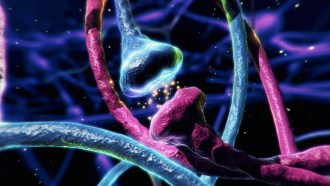
This brain chemical helps focus our attention and plan our path toward success.
- Life
Scientists Say: Organoid
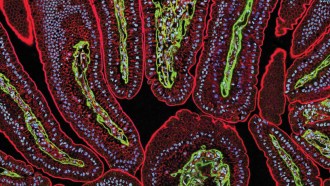
Lab-grown organ models mimic the functions of real organs and may open doors to a future of personalized medical care.
- Earth
Scientists Say: Sundog
A sundog appears in the sky when sunlight shines through tiny ice crystals suspended in the air.
- Chemistry
Scientists Say: Rocket propellants
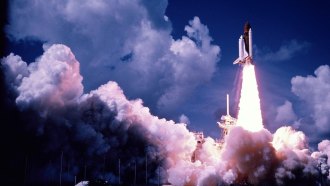
Rockets need more than fuel to get where they need to go — they also need oxidizers to burn that fuel. Together, these chemical combos are known as rocket propellants.
-
- Materials Science
Scientists Say: Quantum dot
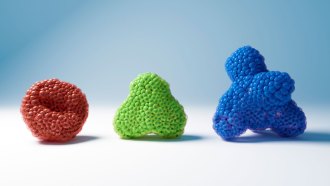
Quantum dots are nanosized specks whose properties are governed by the strange rules of quantum physics.