Uncategorized
- Humans
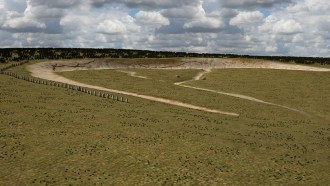
Picture This: ‘Super-henge’ buried near Stonehenge
Scientists using ground-penetrating radar discovered a massive stone monument, now buried, at a prehistoric village near Stonehenge.
- Earth
Cool Jobs: Finding foods for the future
What's for dinner... tomorrow? Scientists are developing new foods to meet the demands of the growing population in a changing world.
- Agriculture
Weed killers may go from plant to pooch
Dogs love to roll around in the grass. But if there is weed killer around, it could end up on — and in — our furry pals.
- Brain
Parents’ math anxiety can ‘infect’ kids
A study of first- and second- graders found that kids whose parents fear math learn less math at school ¬— but only when parents help with homework.
- Animals
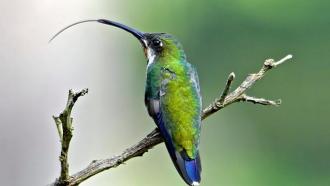
Hummingbird tongues may be tiny pumps
Scientists had thought that hummingbird tongues work through capillary action. A new study, though, concludes they work like little pumps.
- Agriculture
‘Wildlife-free’ farms don’t make salads safer
Scientists find that removing wildlife from farms did not make raw vegetables safer to eat.
- Health & Medicine
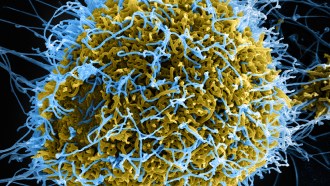
Scientists Say: Virulence
The virulence of a germ is a measure of its potential to cause disease.
- Earth
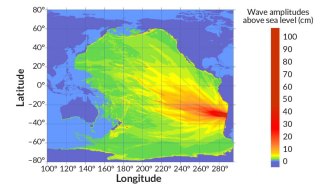
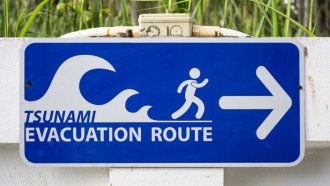
Quake provides test for tsunami prediction
The 8.3-magnitude Chilean earthquake offered an unexpected chance to test a new way of predicting tsunami damage.
- Earth
Explainer: What is a tsunami?
Earthquakes and landslides can create huge waves that travel across oceans.
- Agriculture
Made in the shade
Agroforestry combines woody plants and agriculture. Growing trees alongside crops and livestock benefits wildlife, environment, climate — and farmers.
- Brain
Childhood stress can leave changes in the adult brain
A new study finds that young men who had experienced lots of stress early in life carried a lasting legacy — changes in the size and shape of their brains.
- Health & Medicine
New treatments may rally ex-president’s fight against cancer
Former President Jimmy Carter has a potentially lethal type of skin cancer that has already spread to his liver and brain. Recent improvements in medicine may help him fight it.