Uncategorized
- Health & Medicine
Scientists Say: Hormone
This is a chemical that travels in the blood and acts as a signal. It can tell distant body parts what to do. When a chemical acts in this way, it has a special name.
- Health & Medicine
Movies may tempt teens to drink
British 15-year-olds were more likely to binge-drink or have alcohol-related problems if they watched movies with plenty of onscreen drinking.
- Earth
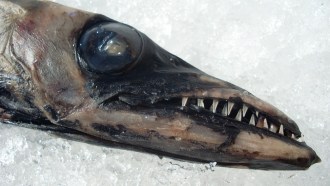
Deep-sea fish show signs of exposure to pollution
A new study suggests deep-water fish may have health problems linked to human pollution. Eating these fish may expose diners to the same pollution.
- Agriculture
Ditching farm pollution — literally
An Indiana project shows how fighting fertilizer runoff can save farmers money, protect wild habitats and prevent harmful algae blooms.
- Physics
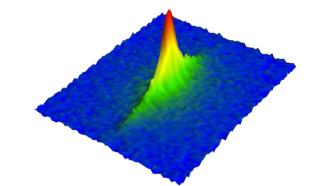
News Brief: Brrrrr — that’s really cold!
These atoms approached — and got oh so very close — to absolute zero.
- Chemistry
News Brief: Wash removes nano germ-killers
Manufacturers coat many fabrics with silver nanoparticles to kill bacteria. But when those items get laundered it can be bye-bye germ killers.
- Planets
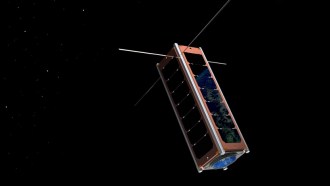
Mini-sats: The trick to spying Earth-bound asteroids?
NASA is supposed to begin nonstop screening by 2020 for all asteroids that could pose a threat to Earth. Some astronomers now think the only way to affordably meet that deadline is by using mini-satellites
- Earth
Scientists Say: Microplastic
Bits of plastic smaller than five millimeters are called microplastics. They can end up in the ocean, where corals might mistake them for food.
- Earth
What sent Hawaii’s mountain chain east?
A single shaft of spewing hot rock created an enormously long chain of mostly undersea mountains in the western Pacific. That chain takes an unexpected eastern curve. The reason, scientists now think, may be a gobbled-up tectonic plate.
- Fossils
There really was a Brontosaurus, study claims
A new analysis finds evidence that the Apatosaurus and Brontosaurus were separate groups of animals, which deserve their own names and places on the dino family tree.
- Earth
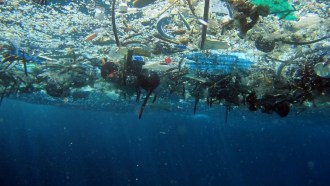
Tiny plastic, big problem
Unsightly plastic bottles, bags and other trash give just a hint of the largely unseen problem of plastic pollution. Scientists have found tiny bits of it throughout the ocean. The bad news: Sea life can’t tell the difference between plastic and food.
- Health & Medicine
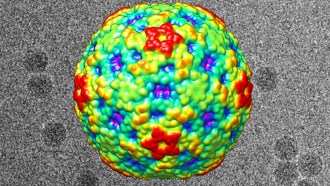
New virus may have given kids polio-like symptoms
More than 100 U.S. children developed a paralyzing illness in 2014. Genetic evidence now suggests that the most likely culprit is a new form of a virus in the polio family.