Explainer: What is a shark?
These fish have skeletons made of cartilage, not bone — and aren’t really that scary
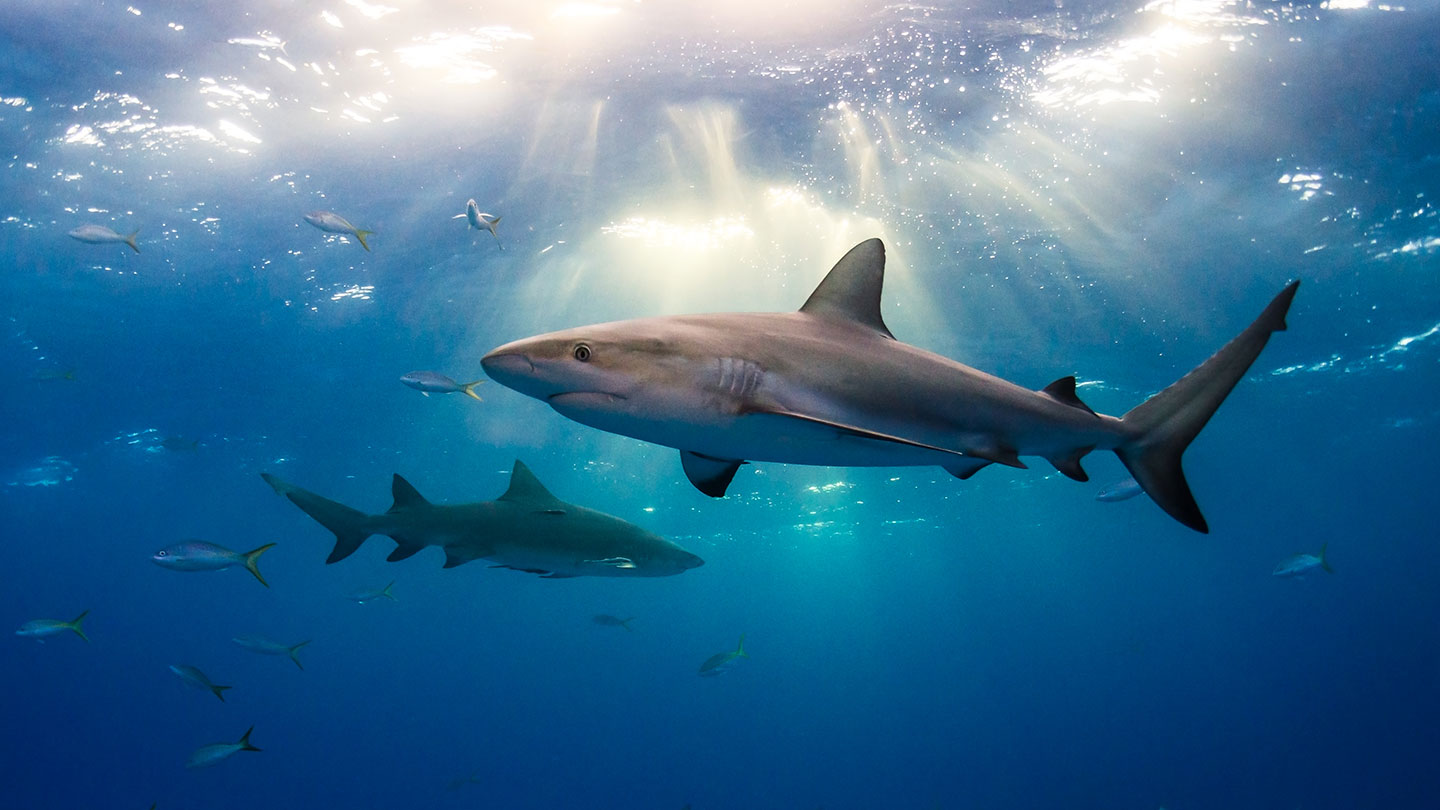
There are more than 500 living species of sharks. “They’re all so different from each other,” says Heidy Martinez. Caribbean reef sharks (shown here) are apex predators and one of the few species of shark that don’t swim while they sleep.
Todd Bretl Photography/Moment/Getty Images
Picture a shark. You might think of a great white stalking beachgoers in a movie. Or maybe a hammerhead, with its distinctive T-shaped noggin. Or the extinct megalodon, the largest shark known to ever exist. But that’s just a tiny sample of the splendid diversity of sharks swimming Earth’s oceans.
There are more than 500 living species of sharks, notes Heidy Martinez. She’s a freelance shark scientist and member of Minorities in Shark Sciences. Sharks range in size from the gentle giant whale shark — which can reach up to 18.8 meters (61.7 feet) long — to the dwarf lantern shark, which is tiny enough to cradle in the palm of your hand. Most sharks are only about a meter (three to four feet) long or less.
One of Martinez’s favorites is the cookie cutter shark. This roughly foot-long shark takes round, cookie-shaped bites out of large fish like tuna, marlin and even other sharks. “They’re so tiny and they look so different from … what you would think,” she says. Another shark she likes is the tiger shark, which will eat pretty much anything and can turn its stomach inside out to get rid of the inedible bits.
“They’re all so different from each other,” Martinez says. Yet many people don’t know about the fascinating quirks of various shark species. They just see sharks as scary.
Part of sharks’ fearsome reputation is earned. Sharks do kill a few people every year (though you’re more likely to get hit by lightning than eaten by a shark). Media like the classic movie Jaws — which depicted a great white shark terrorizing a New England beach — has added to the animals’ bad rap.
But people are a far greater threat to sharks than the fish are to people. Sharks, says Martinez, are “misunderstood.” Don’t think of them as killers but as really interesting fish with lots of sharp teeth.
Do you have a science question? We can help!
Submit your question here, and we might answer it an upcoming issue of Science News Explores
A different kettle of fish
Sharks belong to a class of fish called Chondrichthyes. Fish in this class have skeletons made not of bone but of cartilage. This cartilage, similar to the stuff that your ear is made of, is less dense and more flexible than bone. This helps sharks not sink and swim faster. An oil-filled liver also helps to keep them afloat. (Fish with bones use a gas-filled organ called a swim bladder for buoyancy.)
Beyond cartilage, one of the defining features of Chondrichthyes is having five to seven pairs of gills. Bony fish only have four pairs. And, unlike bony fish, sharks must always be moving to keep oxygen-filled water moving over those gills so that they can breathe.
Among Chondrichthyes, sharks are set apart by a few features. For one, all sharks share a similar body type: streamlined like the body of an airplane. A shark has at least one dorsal fin on the top of its body. This fin, along with pectoral fins on its sides, help it maneuver through the water.
Sharks also have keen senses that help make them effective predators. These include sharp eyes and a good sense of smell. And sharks can sense electric fields. This ability is called electroreception. Sharks use it to find prey and navigate murky waters.
-
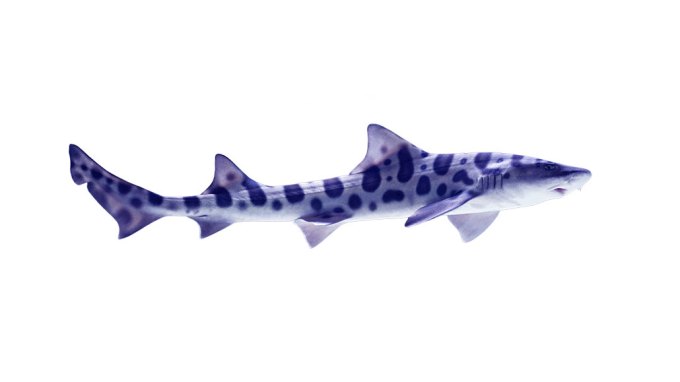
Leopard sharks get their name from the distinct pattern on their skin. They sometimes form schools with other sharks, such as spiny dogfish. DON HAMMOND/IMAGE SOURCE LIMITED/ALAMY -
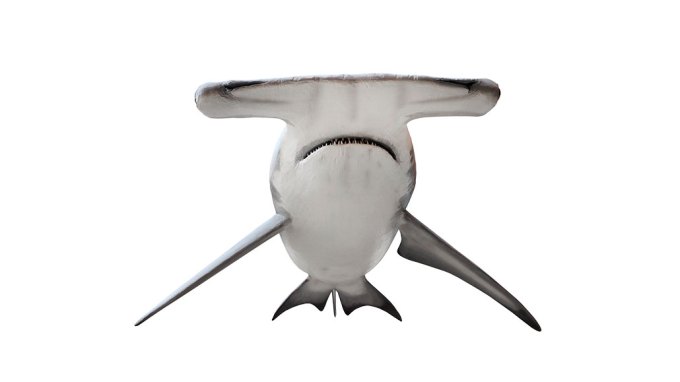
With eyes on either end of their T-shaped head, hammerhead sharks, like this great hammerhead, have impressive binocular vision. They can increase their view further by rotating those eyes and sweeping their heads from side to side. KLETR/SHUTTERSTOCK -
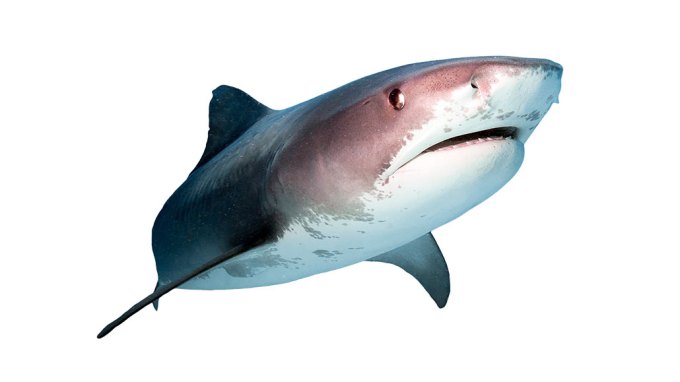
Tiger sharks are known as the “trash cans of the sea” because they’ll eat anything. One was even found with a license plate in its stomach. FRANTISEKHOJDYSZ/SHUTTERSTOCK -
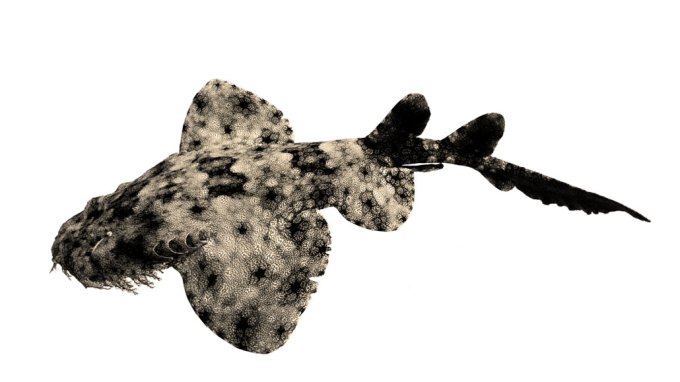
The shaggy appearance of wobbegong sharks led to their nickname: carpet sharks. JASON EDWARDS/PHOTODISC/GETTY IMAGES PLUS -
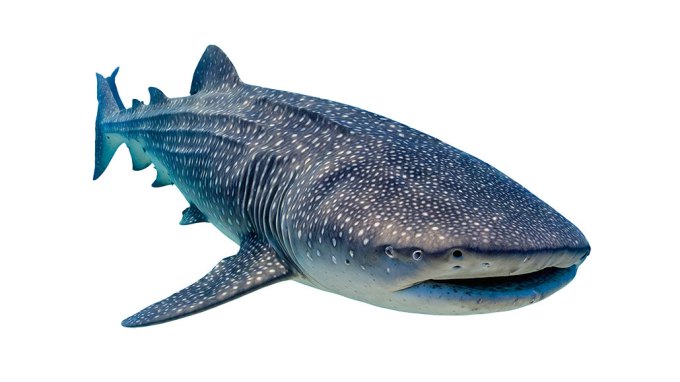
Whale sharks are the biggest fish on Earth, but they only eat tiny marine critters, like plankton and krill. The pattern on each whale shark is unique and can be used to identify individual animals. BILALWEBDESIGNER/SHUTTERSTOCK -
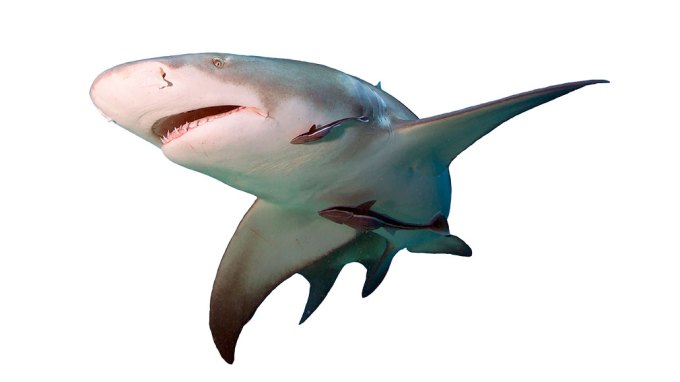
Young lemon sharks prefer to hang out with their friends. FRANTISEKHOJDYSZ/SHUTTERSTOCK
If you were to pet a shark, “it feels like sandpaper,” says Martinez. That’s because shark skin is covered with denticles. Denticles — which are also found on sharks’ cousins, skates and rays — are tiny, overlapping scales. As a shark swims forward, these scales flatten and reduce drag, helping the shark swim with less energy. Denticles also help prevent barnacles from attaching to a shark.
Skates and rays are also members of Chondrichthyes. They are distinguished by their flat, wide bodies. Other members of this class are sometimes called sharks, but they are not technically sharks. Chimaeras, for instance, are known as “ghost sharks.” They look similar to true sharks but have dental tissue called tooth-plates instead of teeth. Then there are sawfish, also called “carpenter sharks.” They, too, are not really sharks. Sawfish are distinguished by a long, narrow nose extension lined with sawlike teeth.
The importance of sharks
Shark populations have been declining for thousands of years, likely due to fishing. But their numbers have been plummeting more recently. Since 1970, shark populations have declined by 50 percent, according to a 2024 report in Science. Overfishing is the main threat sharks face. Now, a third of sharks, rays and chimaeras are at risk of extinction. That was the conclusion of a 2024 report from the shark specialists with the International Union for the Conservation of Nature.
Scientists are still investigating the importance of sharks, but they know these fish are key players in marine ecosystems. Some, like great white sharks, are apex predators. They sit at the top of the food web. Their presence can affect the species they prey upon as well as others throughout that food web.
Sharks can also compete for resources with other species, or they can be prey. The cookie cutter shark is considered a parasite. Sharks can also serve an important role in helping nutrients move throughout an ecosystem.
Fear of sharks can make it difficult for people to care about them. But among the many things sharks have evolved to do, going out of their way to hunt down humans like blockbuster monsters isn’t one of them. “They are not out to hurt us,” Martinez says. Humans should show sharks the same respect.