Questions for ‘A century later, impacts of the Scopes ‘Monkey Trial’ still echo’ 
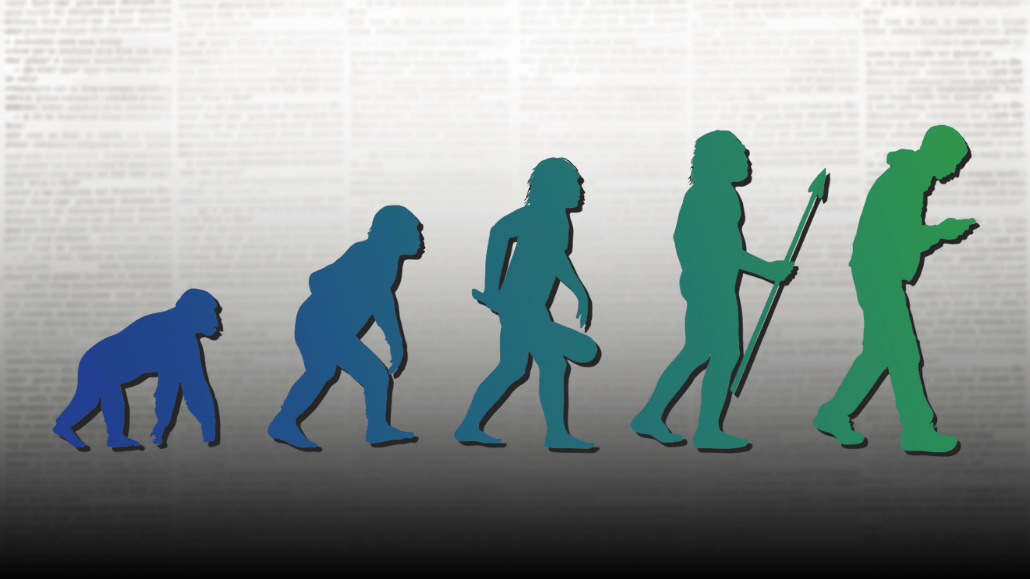
silhouttes of ancient ancestors of humans from left (most ape like) to right (modern human with smart phone) over a newspaper

That humans might have evolved from other members of the primate family (such as apes or other hominids) was highly controversial a century ago. In the United States, it ultimately led to a Tennessee educator being sued for teaching the idea that humans evolved from some earlier primates.

d-l-b/DigitalVision Vectors/Getty Images Plus; newspaper @olga-z/Canva Pro; adapted by L. Steenblik Hwang

To accompany A century later, impacts of the Scopes ‘Monkey Trial’ still echo’

SCIENCE

Before Reading:

  1. What do you think it mean to be a “traditionalist”? (Hint: The root word is “tradition.”) What is one benefit of having traditionalist people in a community? What is one potential problem that can come from too much traditionalism in a community? Explain your answer.
  2. Describe what you think would be the opposite of traditionalism. What is one benefit to a community of having people with this outlook? What is one potential drawback?

During Reading:

  1. What controversial topic did biology teacher John Thomas Scopes teach in the 1920s?
  2. What was the verdict of the 1925 State of Tennessee vs. John Thomas Scopes trial?
  3. Give one example of what role that evolution has played in the rise of new pathogens.
  4. Explain Randy Moore’s connection to the 1925 Scopes trial.
  5. What did Dwight Moody do for a living?
  6. What was the Butler Act?
  7. How did Scopes respond when asked if he consented to be arrested? If he had answered differently, how differently might this story have played out?
  8. Describe Clarence Darrow’s primary motivation for defending Scopes in court.
  9. After the 1925 trial, did the prevalence of religious fundamentalism increase, decrease or remain the same?
  10. How did the Epperson v. Arkansas trial change the teaching of biology in the United States?

After Reading:

  1. In your own words, describe the general goals and desires of the average person in the mid-1920s, according to Moore. How do you think this attitude contributed to the decision to prosecute Scopes? What fears might have fueled people’s desire to prosecute him?
  2. Draw a timeline and point out and describe three significant events that occurred from the end of World War I through the time of the trial.
  3. Moore describes the trial as “the old versus the new.” What does he mean by this? How do we experience conflicts between the “old” and “new” ideas today? Give one example of how old and new beliefs or attitudes conflict in the modern world. Give one way that we might resolve these differences.